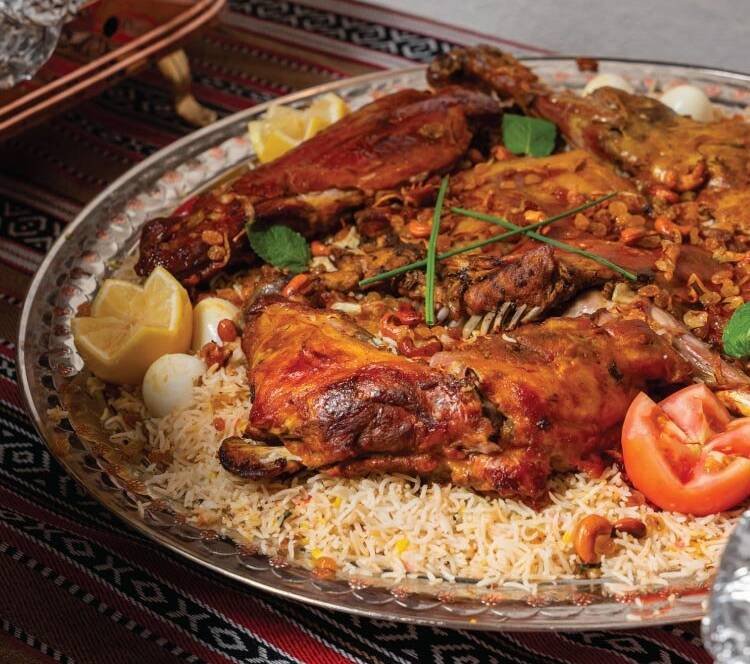

Suhoor Strategies for Satiety and Sustained Energy, the pre-dawn meal during Ramadan, is one of the most important components of a successful fast. A well-planned Suhoor provides energy, hydration, and satiety for the day ahead. Consuming the right combination of foods and distributing the meal strategically ensures you remain active, focused, and healthy throughout the fasting hours.
Many people underestimate the value of Suhoor or consume it hastily, relying on heavy, processed foods that provide short-term energy but lead to fatigue, thirst, and discomfort. By carefully selecting nutrient-dense, hydrating, and slow-digesting foods, you can maintain energy, avoid excessive hunger, and support overall well-being during Ramadan.
Start Suhoor with Water and Dates
Begin your Suhoor by drinking a cup of water to rehydrate after the night. Follow this with two dates, a traditional practice that provides natural sugars, fiber, and minerals such as potassium and magnesium. Dates give immediate energy and prepare your digestive system for the meal ahead.
Starting Suhoor this way prevents sudden spikes in blood sugar and ensures a gradual release of energy, keeping you full and energized during fasting hours.
Include a Small Plate of Low-Fat Soup
After water and dates, a small bowl of low-fat soup helps hydrate the body and provides essential nutrients. Soups made from lentils, vegetables, or legumes are excellent choices, as they are light, easy to digest, and rich in fiber and protein. This step primes your stomach and aids digestion before the main meal.
Balance Your Main Plate
The main Suhoor plate should contain a balanced mix of food groups. Divide the plate into four portions: one-quarter salad or vegetables, one-quarter starches or whole grains, one-quarter proteins, and one-quarter fruits or additional vegetables. This combination ensures hydration, steady energy release, and long-lasting satiety.
For example, include brown bread or oats for complex carbohydrates, eggs or legumes for protein, fresh vegetables for fiber and water content, and a small portion of fruit for natural sugars and vitamins. Adding a teaspoon of healthy oils such as olive or corn oil enhances satiety and nutrient absorption.
Split the Meal Into Two Parts
Dividing Suhoor into two smaller meals can relax the digestive system and improve energy utilization. For instance, have a small portion before Fajr prayer and the remaining portion after returning. This strategy prevents overloading the stomach, aids digestion, and maintains energy throughout the day.
Include Healthy Snacks Between Suhoor and Iftar
If possible, consume a handful of nuts or dried fruits between Suhoor and Iftar. These nutrient-dense snacks provide protein, healthy fats, and natural sugars that stabilize blood sugar, prevent cravings, and support overall nutrition. Nuts and dried fruits are also easy to digest and complement the balanced Suhoor meal.
Avoid Salt, Spices, and Heavy Foods
Excessive salt, spices, fried foods, and processed items at Suhoor increase thirst and can cause discomfort during fasting. Focus on light, nutrient-rich, water-containing meals to stay hydrated and comfortable. Preparing foods using steaming, boiling, or oven-baking methods enhances digestion and preserves nutrients.
Hydration and Energy Optimization
Hydration is key at Suhoor. Pairing water-rich vegetables and fruits with moderate water intake ensures your body has sufficient fluid reserves for the fasting day. Avoid consuming large amounts of water at once, as this can create a heavy stomach feeling. Drink moderate amounts steadily along with your meal for optimal absorption and comfort.
Conclusion: Strategic Suhoor Planning
Strategic Suhoor planning is essential for a productive and comfortable Ramadan. Starting with water and dates, including a small low-fat soup, balancing the main plate, splitting the meal, and including nutrient-dense snacks all contribute to sustained energy, hydration, and satiety. Avoiding heavy, salty, or fried foods further supports comfort and health during fasting hours.
By implementing these strategies, you can ensure your body remains energized, hydrated, and nourished, allowing you to fully focus on spiritual reflection, daily activities, and the overall experience of Ramadan.
Take the Next Step Toward a Healthier Ramadan
Want expert guidance on Suhoor planning, hydration, and balanced meals for optimal energy and satiety during Ramadan? Our specialists provide personalized advice tailored to your needs.
📞 Schedule Your Personalized Event Consultation
Contact al-khaima.ch Now to Discuss Your Event Requirements
💬 Connect Instantly via WhatsApp
Send a Message on WhatsApp to Start Planning