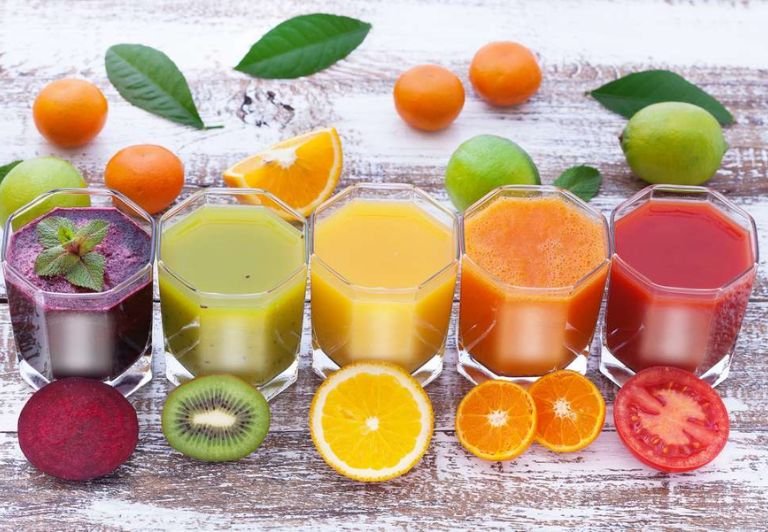

Eat Potassium-Rich Foods at Suhoor to Reduce Thirst During Fasting, Ramadan is a spiritually uplifting month, but physically it requires preparation and smart nutritional choices — especially during Suhoor, the pre-dawn meal. One of the most common challenges people face while fasting is excessive thirst throughout the day. Long fasting hours, warm weather, and daily activities can intensify dehydration if your Suhoor meal is not properly balanced.
A highly effective strategy to reduce thirst during fasting is consuming potassium-rich foods and drinks. Potassium plays a crucial role in maintaining fluid balance, supporting muscle function, and preventing dehydration. Including the right potassium-rich foods at Suhoor can significantly improve your fasting experience.
Let’s explore why potassium matters and how foods like bananas, milk, and yogurt can help you stay hydrated and energized throughout the fasting day.
Why Potassium Is Essential During Fasting
Potassium is an essential mineral and electrolyte that helps regulate:
-
Fluid balance inside cells
-
Muscle contractions
-
Nerve signals
-
Blood pressure levels
-
Prevention of muscle cramps
When you fast, your body does not receive fluids for many hours. This means your body relies heavily on stored electrolytes — including potassium — to maintain hydration and internal balance.
If your potassium levels drop, you may experience:
-
Intense thirst
-
Fatigue
-
Muscle cramps
-
Headaches
-
Dizziness
That’s why including potassium-rich foods in Suhoor is not just beneficial — it’s strategic.
Best Potassium-Rich Foods to Eat at Suhoor
1. Bananas – The Perfect Suhoor Fruit
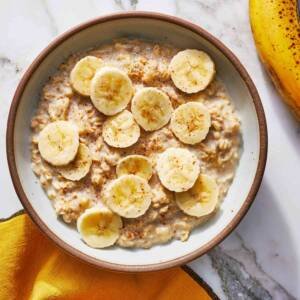
Bananas are one of the most accessible and powerful potassium sources. A single medium banana contains around 400–450 mg of potassium.
Why bananas are ideal for Suhoor:
-
Help regulate fluid balance
-
Reduce muscle cramps
-
Provide natural energy
-
Contain natural sugars for sustained release
-
Easy to digest
You can eat a banana:
-
Whole as a quick addition
-
Sliced into oats
-
Blended into a smoothie
-
Mixed with yogurt
Bananas also contain fiber, which slows digestion and helps you feel full longer — another key factor for a successful fast.
2. Milk – Hydration + Electrolytes
Milk is more than just a drink — it’s a hydration powerhouse. It contains:
-
Potassium
-
Calcium
-
Protein
-
Natural sugars
-
Water
Milk helps replenish electrolytes and supports muscle and nerve function during fasting hours.
Drinking one cup of milk at Suhoor:
-
Supports hydration
-
Provides long-lasting energy
-
Helps prevent headaches caused by dehydration
If you’re lactose intolerant, lactose-free milk or fortified plant-based milk (with added potassium) can be alternatives.
3. Yogurt – The Suhoor Superfood

Yogurt is one of the best Suhoor foods — especially during hot weather. It contains:
-
Potassium
-
Probiotics
-
Protein
-
Water
-
Calcium
Yogurt helps:
-
Maintain hydration
-
Support digestive health
-
Prevent bloating
-
Reduce thirst
-
Keep you full longer
A powerful Suhoor combination:
-
Yogurt + banana + oats
-
Yogurt + honey + nuts
-
Yogurt + dates
This combination gives you protein, potassium, healthy fats, and slow-digesting carbohydrates.
How Potassium Reduces Thirst
Potassium works by balancing sodium levels in the body. When sodium levels are too high (from salty foods), the body retains water improperly, which increases thirst.
By eating potassium-rich foods:
-
You regulate sodium levels
-
Improve cellular hydration
-
Reduce water loss
-
Support kidney function
This balance prevents the intense dry-mouth feeling many people experience during fasting.
What to Avoid at Suhoor
If your goal is to reduce thirst, avoid:
-
Salty cheeses
-
Pickles
-
Processed meats
-
Chips
-
High-sodium foods
-
Excess caffeine
Salt increases water loss and triggers thirst quickly during fasting hours.
Sample Potassium-Rich Suhoor Meal Plan
Here’s a simple, balanced Suhoor idea:
-
1 cup yogurt
-
1 banana
-
1 cup milk
-
A small bowl of oats
-
A handful of nuts
-
2 glasses of water
This meal provides:
-
Protein
-
Potassium
-
Slow-digesting carbs
-
Hydration
-
Energy stability
Hydration Strategy Alongside Potassium
Even with potassium-rich foods, hydration between Iftar and Suhoor is essential.
Tips:
-
Drink 8–10 cups of water between sunset and dawn
-
Avoid drinking excessive water at once
-
Spread fluids gradually
-
Include natural fluids like milk and yogurt
Proper hydration combined with potassium intake gives the best results.
Special Note for People with Medical Conditions
If you have kidney disease or are on certain medications, consult your doctor before increasing potassium intake. While potassium is beneficial for most people, excessive intake may not be suitable for everyone.
Final Thoughts
Suhoor is not just a meal — it’s your preparation for the entire fasting day. Choosing potassium-rich foods like bananas, milk, and yogurt can significantly reduce thirst, prevent fatigue, and improve your overall fasting experience.
Small nutritional decisions can make a big difference.
By balancing electrolytes, avoiding excess salt, and staying hydrated, you set yourself up for a healthier and more comfortable Ramadan fast.
👉 Book Now: https://al-khaima.ch/reservation/
👉 Message Us: https://wa.me/41783545652