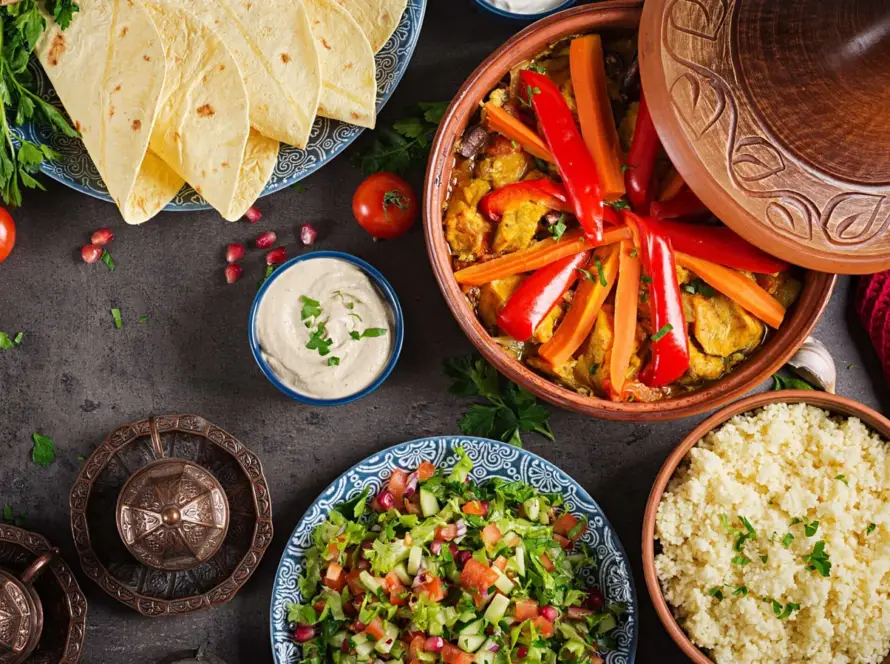

The Rich Culinary Heritage of Yemeni Cuisine: A Journey Through Traditional Flavors. Yemeni cuisine is one of the most distinctive culinary traditions in the Arabian Peninsula. Known for its aromatic spices, slow-cooked meats, flavorful rice dishes, freshly baked bread, and generous hospitality, Yemeni food offers a dining experience that goes far beyond simply satisfying hunger.
For those discovering Yemeni cuisine in Geneva, Al Khaima provides an opportunity to explore traditional flavors while enjoying the welcoming atmosphere of a restaurant inspired by Yemen and Gulf culinary heritage.
But what makes Yemeni food so special? The answer lies in its history, ingredients, cooking techniques, and the cultural traditions surrounding every meal.
What Makes Yemeni Cuisine Unique?
Yemeni cuisine has developed over centuries and reflects the country’s rich history and geographical diversity. Yemen’s location along important historical trade routes helped introduce different spices and ingredients that eventually became an important part of local cooking.
Unlike some cuisines where one or two ingredients dominate, Yemeni cooking is characterized by carefully balanced combinations of spices, herbs, meat, vegetables, bread, and rice.
The result is food that is deeply aromatic without relying exclusively on heat or strong flavors.
Traditional Yemeni dishes often focus on allowing ingredients to cook slowly so that flavors develop naturally. Meat, in particular, is frequently prepared using techniques designed to produce tenderness while preserving its natural flavor.
The Importance of Spices in Yemeni Food
Spices are at the heart of Yemeni cooking.
Blends containing ingredients such as cardamom, cumin, coriander, black pepper, cloves, and other aromatic spices help create the distinctive flavor profile associated with Yemeni dishes.
One of the well-known spice traditions in Yemen is Hawaij, a fragrant spice blend used in different preparations. Depending on the recipe, spice combinations can provide warmth, depth, and aroma without overpowering the main ingredients.
This careful use of spices is one of the reasons Yemeni cuisine can feel both familiar and completely different from other Middle Eastern cuisines.
Rice: The Foundation of Many Yemeni Meals
Rice plays an important role in many Yemeni and Gulf dishes.
Fragrant rice is often served alongside carefully prepared meat or chicken, allowing it to absorb the flavors and aromas created during cooking.
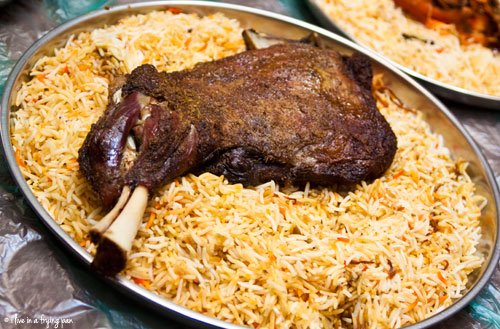
One of the most famous examples is Mandi, a dish that combines tender meat or chicken with aromatic rice and traditional spices.
At Al Khaima, Mandi is one of the signature dishes that allows guests in Geneva to discover an important part of Yemeni culinary culture.
The combination of tender meat, fragrant rice, and carefully balanced seasoning creates a complete meal that is ideal for sharing with family and friends.
Slow Cooking and Traditional Preparation
One of the defining characteristics of Yemeni food is the importance of cooking techniques.
Traditional dishes often require patience. Instead of rushing the cooking process, meats can be slowly prepared to achieve a tender texture and rich flavor.
This approach can be seen in dishes such as Haneeth, where lamb is slowly roasted until it becomes exceptionally tender.
The philosophy behind these dishes is simple: good food takes time.
Slow cooking allows the spices and natural flavors of the ingredients to develop, creating dishes with depth and character.
Yemeni Bread: An Essential Part of the Meal
Bread is another important element of Yemeni cuisine.
Traditional Yemeni breads can vary in texture and preparation, with options ranging from thin and crispy breads to soft, layered varieties.
At Al Khaima, guests can discover traditional breads such as Mulawah, Muataf, Rashosh, and Rateb, each offering a different texture and way to accompany Yemeni dishes.
Bread is not simply an accompaniment. It can be an important part of the overall dining experience, particularly when enjoying dishes such as Saltah or Fahsa.
Saltah and Fahsa: Exploring Yemen’s Traditional Flavors
For anyone interested in discovering the deeper side of Yemeni cuisine, Saltah and Fahsa are excellent dishes to explore.
Saltah is traditionally prepared with ingredients such as meat, vegetables, eggs, and fenugreek and is served hot with bread.
Fahsa, meanwhile, is a traditional Yemeni dish made with small pieces of meat and fenugreek, creating a rich and distinctive flavor.
These dishes demonstrate how Yemeni cuisine combines simple ingredients with traditional preparation methods to create memorable meals. Al Khaima’s menu includes both traditional Sanaani-style Fahsa and Saltah.
Yemeni Cuisine Is About Sharing
Food in Yemen is closely connected to hospitality and community.
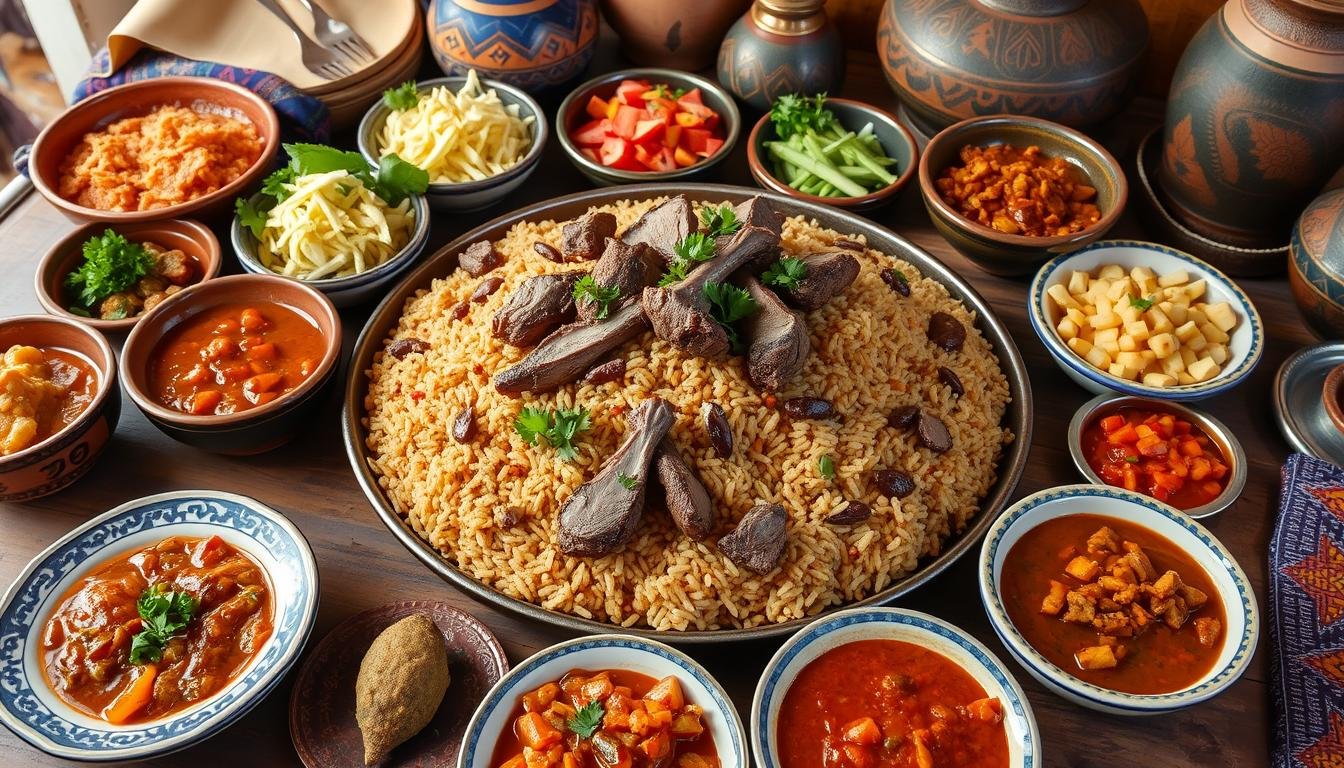
Large dishes are often placed at the center of the table so family and friends can share the meal together. This style of dining encourages conversation, connection, and generosity.
That makes Yemeni cuisine particularly suitable for family gatherings and meals with friends.
Instead of ordering one small dish for each person, guests can explore several dishes and experience different flavors together.
At Al Khaima, this tradition of generous dining is part of the overall experience, creating an atmosphere where food becomes a reason to gather.
Discover Yemeni Hospitality in Geneva
You don’t need to travel to Yemen to experience its culinary traditions.
Located at 11, Rue Neuve-du-Molard, 1204 Geneva, Al Khaima brings the flavors and hospitality of Yemeni and Gulf cuisine to the heart of Switzerland.
The restaurant offers a menu featuring traditional meat, chicken, rice, bread, coffee, and other dishes inspired by the region’s culinary heritage.
Whether you already know Yemeni food or you’re trying it for the first time, exploring the menu can be a great way to discover new flavors and traditional recipes.
Why Try Yemeni Cuisine?
There are many reasons to explore Yemeni food.
It offers:
- Rich and aromatic flavors
- Traditional spice blends
- Slow-cooked meat and chicken
- Fragrant rice dishes
- Freshly prepared traditional bread
- Unique dishes such as Saltah and Fahsa
- A strong culture of hospitality and sharing
- A culinary tradition with centuries of history
Most importantly, Yemeni cuisine offers something different. It allows food lovers to move beyond familiar Middle Eastern dishes and discover the distinctive flavors of the Arabian Peninsula.
Experience Authentic Yemeni Cuisine at Al Khaima
Yemeni cuisine is more than a collection of recipes. It is a reflection of history, culture, hospitality, and generations of culinary traditions.
From fragrant rice and slow-cooked meat to traditional breads and flavorful stews, every dish has its own story.
If you’re looking for Yemeni cuisine in Geneva, Al Khaima is the perfect place to begin your culinary journey.
Visit Al Khaima, explore the menu, share a traditional meal with your loved ones, and discover the rich flavors of Yemen without leaving Geneva.
Ready to discover the taste of Yemen? Visit Al Khaima in Geneva and experience traditional Yemeni cuisine for yourself.
👉 Book Now: https://al-khaima.ch/reservation/
👉 Message Us: https://wa.me/41783545652