
The Secret Behind the Rich Flavors of Yemeni Cuisine When people discover Yemeni cuisine for the first time, one of the things they often notice is its distinctive aroma. Rich, warm, and deeply aromatic, Yemeni food has a flavor profile that is instantly recognizable.
Behind many of these flavors are the traditional spices and seasoning blends that have been used in Yemeni kitchens for generations.
From fragrant rice dishes and slow-cooked meat to traditional stews and grilled specialties, Yemeni spices play an important role in creating the depth and character that make this cuisine unique.
For anyone looking to explore authentic Yemeni food in Geneva, understanding these spices offers a fascinating introduction to the culinary traditions behind the dishes served at Al Khaima.
Why Are Spices So Important in Yemeni Cuisine?
Yemen has a long history of trade and cultural exchange. Its location on ancient trade routes connected the Arabian Peninsula with Africa, Asia, and the wider Middle East.
Over the centuries, spices became an essential part of Yemeni cooking.
Rather than simply making food spicy, Yemeni cooks use spices to build layers of aroma and flavor. A carefully selected combination can enhance the natural taste of lamb, chicken, rice, vegetables, and bread without overwhelming the main ingredient.
This balance is one of the defining characteristics of traditional Yemeni cuisine.
Common Spices Used in Yemeni Cooking
Yemeni cooking uses a wide variety of spices. The exact combination can change depending on the recipe, region, and type of dish.
Some of the most recognizable spices include:
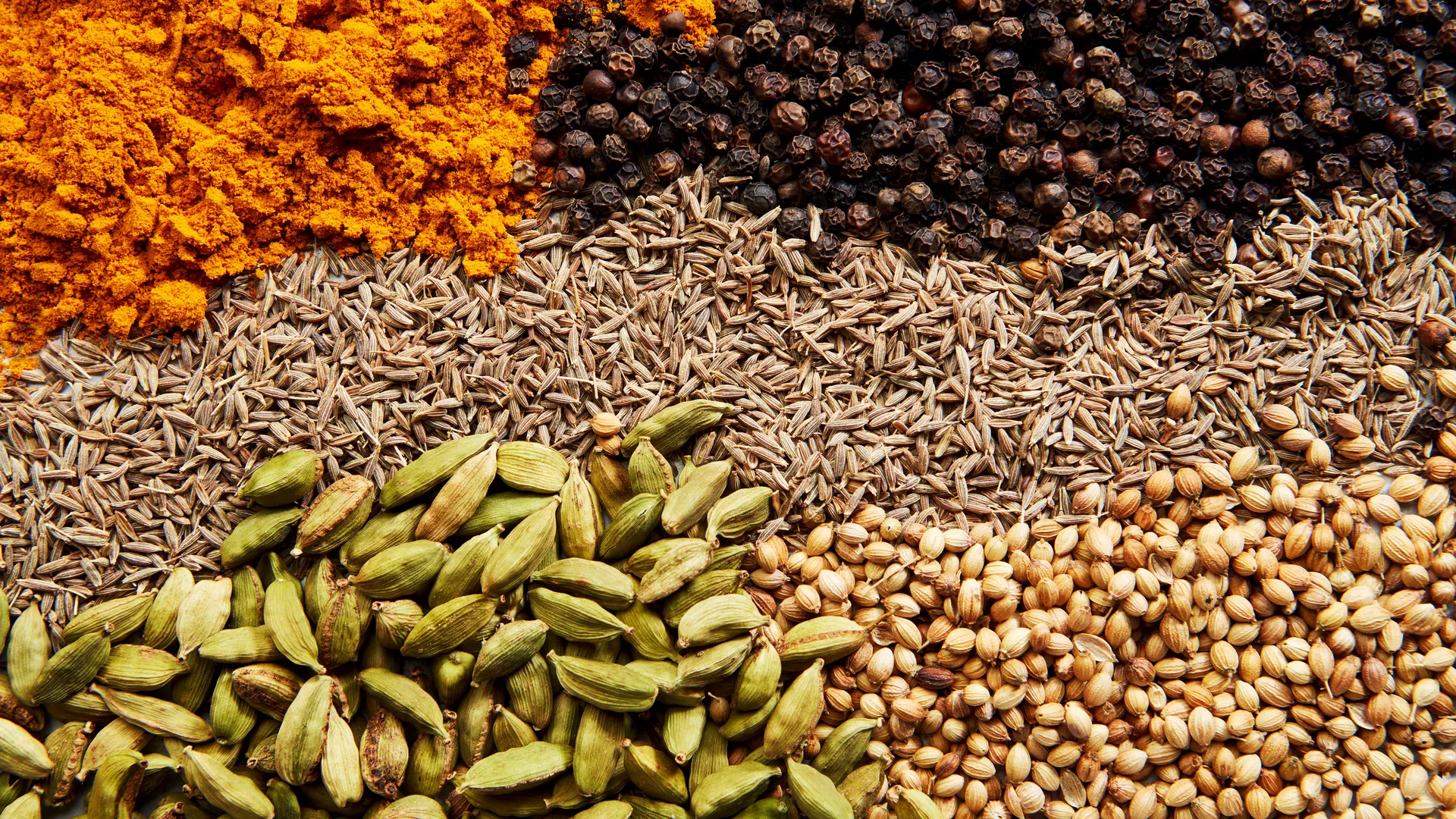
Cardamom
Cardamom has a warm, fragrant aroma and is commonly associated with rice dishes, coffee, and other traditional preparations.
Its slightly sweet and floral character makes it particularly suitable for dishes where aroma is just as important as taste.
Cumin
Cumin provides an earthy and slightly nutty flavor.
It is frequently used in savory dishes and works especially well with meat, vegetables, and legumes.
Black Pepper
Black pepper adds warmth and depth to many Yemeni dishes.
Unlike very hot peppers, black pepper can provide a gentle heat while allowing the other spices to remain noticeable.
Coriander
Coriander is another important spice in Middle Eastern and Yemeni cooking.
Its fresh, aromatic character can complement meat, vegetables, and sauces, adding another layer of flavor to traditional recipes.
Cloves
Cloves have a powerful, warm aroma and are often used carefully because their flavor can be intense.
When balanced with other spices, cloves can add complexity to rice dishes and meat preparations.
Hawaij: A Traditional Yemeni Spice Blend
One of the most interesting elements of Yemeni cuisine is Hawaij, a traditional spice blend associated with Yemen.
There are different variations of Hawaij depending on how it is used.
A savory version may include spices such as cumin, coriander, turmeric, black pepper, and other aromatic ingredients.
Another variation can be associated with beverages such as traditional Yemeni coffee.
The important thing is not simply the individual spices, but the way they are combined.
A carefully balanced spice blend can create a flavor that is much more complex than any single ingredient.
How Yemeni Spices Transform Rice Dishes
Rice is an important part of many Yemeni meals, and spices play a major role in giving it its characteristic aroma.
A dish such as Mandi is not simply rice served with meat. The rice is carefully seasoned so that it complements the meat and creates a harmonious combination.
The aroma of cardamom, cloves, pepper, and other spices can become noticeable even before the first bite.
This is one of the reasons rice dishes are often at the center of Yemeni family meals and gatherings.
Spices and Slow-Cooked Meat
Yemeni cuisine is also known for its slow-cooked meat dishes.
When lamb or chicken is cooked slowly, spices have time to interact with the meat and contribute to its overall flavor.
Dishes such as Mandi and Haneeth demonstrate how seasoning and cooking technique work together.
The goal is not to cover the natural flavor of the meat, but to enhance it.
This balance between seasoning and the main ingredient is an important part of traditional Yemeni cooking.
Yemeni Spices Are About Balance
One common misconception is that heavily spiced food must be extremely hot.
Yemeni cuisine shows that this isn’t necessarily true.
Many Yemeni dishes are aromatic rather than overwhelmingly spicy.
The spices are used to create warmth, fragrance, earthiness, sweetness, and depth.
This makes Yemeni food accessible to a wide range of diners, including people who may not normally enjoy very spicy dishes.
The experience is often about discovering different layers of flavor rather than simply experiencing heat.
The Connection Between Spices and Yemeni Culture
Food traditions are closely connected to culture, history, and family.
Many Yemeni recipes have been passed from one generation to another, with families developing their own preferred combinations and techniques.
Spices therefore represent more than ingredients.
They are part of a culinary tradition that reflects Yemen’s history and its connections with neighboring regions and ancient trade routes.
When you enjoy a traditional Yemeni meal, you’re experiencing a small part of this cultural heritage.
Discovering Yemeni Spices in Geneva
You don’t have to travel to Yemen to explore these flavors.
At Al Khaima in Geneva, guests can discover a selection of traditional Yemeni and Gulf dishes prepared with the flavors and culinary traditions of the region.
From aromatic rice and tender meat to traditional breads, stews, and other specialties, the menu provides an opportunity to explore different sides of Yemeni cuisine.
For first-time visitors, trying a dish such as Mandi can be a great introduction to the balance of spices, rice, and slow-cooked meat that characterizes Yemeni cooking.
How to Appreciate Yemeni Food
If you’re new to Yemeni cuisine, take your time when tasting the food.
Instead of focusing on one flavor, notice how different aromas develop with every bite.
You may first notice the richness of the meat, followed by the fragrance of the spices and the subtle flavors of the rice.
Pairing different dishes at the table can also make the experience more interesting.
Sharing food with family or friends allows everyone to discover different combinations and compare their favorite flavors.
Why Yemeni Spices Make the Cuisine Special
The beauty of Yemeni cuisine is not based on one particular spice.
It comes from the combination of ingredients, traditional recipes, cooking techniques, and generations of culinary knowledge.
Spices such as cardamom, cumin, coriander, black pepper, and cloves each contribute something different.
When they are carefully combined, they create the rich aroma and distinctive flavor associated with Yemeni food.
That is what makes the cuisine so memorable.
Experience the Flavors of Yemeni Cuisine at Al Khaima
Yemeni spices are an essential part of the country’s culinary identity.
They bring aroma to rice, depth to meat, character to traditional dishes, and warmth to the overall dining experience.
For food lovers in Geneva, exploring these flavors is an opportunity to discover a cuisine with a rich history and a distinctive culinary identity.
At Al Khaima, you can experience traditional Yemeni and Gulf dishes in the heart of Geneva and discover how spices, slow cooking, and traditional recipes come together.
Whether you’re trying Yemeni food for the first time or already know and love it, there is always another flavor to discover.
Ready to explore the rich flavors of Yemeni spices?
Visit Al Khaima in Geneva and discover traditional Yemeni cuisine for yourself.
Al Khaima
11, Rue Neuve-du-Molard
1204 Geneva, Switzerland
Explore the menu and learn more about the restaurant at https://al-khaima.ch/
👉 Book Now: https://al-khaima.ch/reservation/
👉 Message Us: https://wa.me/41783545652