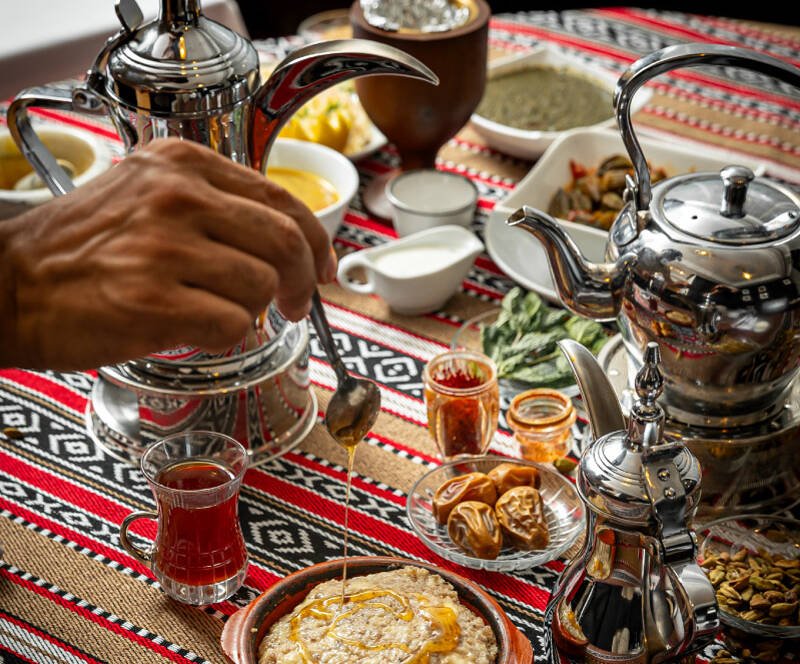

Traditional Yemeni Bread Discover the Essential Flavors of Yemeni Cuisine When exploring Yemeni cuisine, it is easy to focus on famous dishes such as Mandi, Haneeth, or Madhbi. However, some of the most interesting parts of Yemeni culinary culture can be found in much simpler foods.
Traditional Yemeni bread is an essential part of the country’s food culture. Different types of bread are enjoyed with savory dishes, breakfast meals, stews, and traditional preparations, adding texture and flavor to the dining experience.
From soft and layered breads to varieties prepared with traditional techniques, Yemeni bread reflects the simplicity, variety, and hospitality that characterize the cuisine.
For anyone discovering Yemeni food in Geneva, trying traditional bread is an excellent way to experience a different side of Yemen’s culinary heritage.
Why Is Bread Important in Yemeni Cuisine?
Bread has been an important part of Yemeni meals for generations.
In traditional Yemeni dining, bread is much more than something served alongside a main dish. It can be used to accompany stews, scoop up flavorful sauces, or complement meat and vegetable dishes.
Bread also plays an important role in communal dining.
A selection of freshly prepared bread placed on the table gives everyone an opportunity to share the meal and enjoy different combinations of flavors.
This makes traditional bread an important part of the overall Yemeni dining experience.
Discovering Different Types of Yemeni Bread
One of the fascinating things about Yemeni cuisine is the variety of breads available.
Different types can have different textures, thicknesses, and preparation methods.
At Al Khaima, guests can discover several traditional options, including Mulawah, Muataf, Rashosh, and Rateb.
Each variety offers its own character and can complement different Yemeni dishes.
Trying several types is a great way to understand how bread fits into the wider culinary traditions of Yemen.
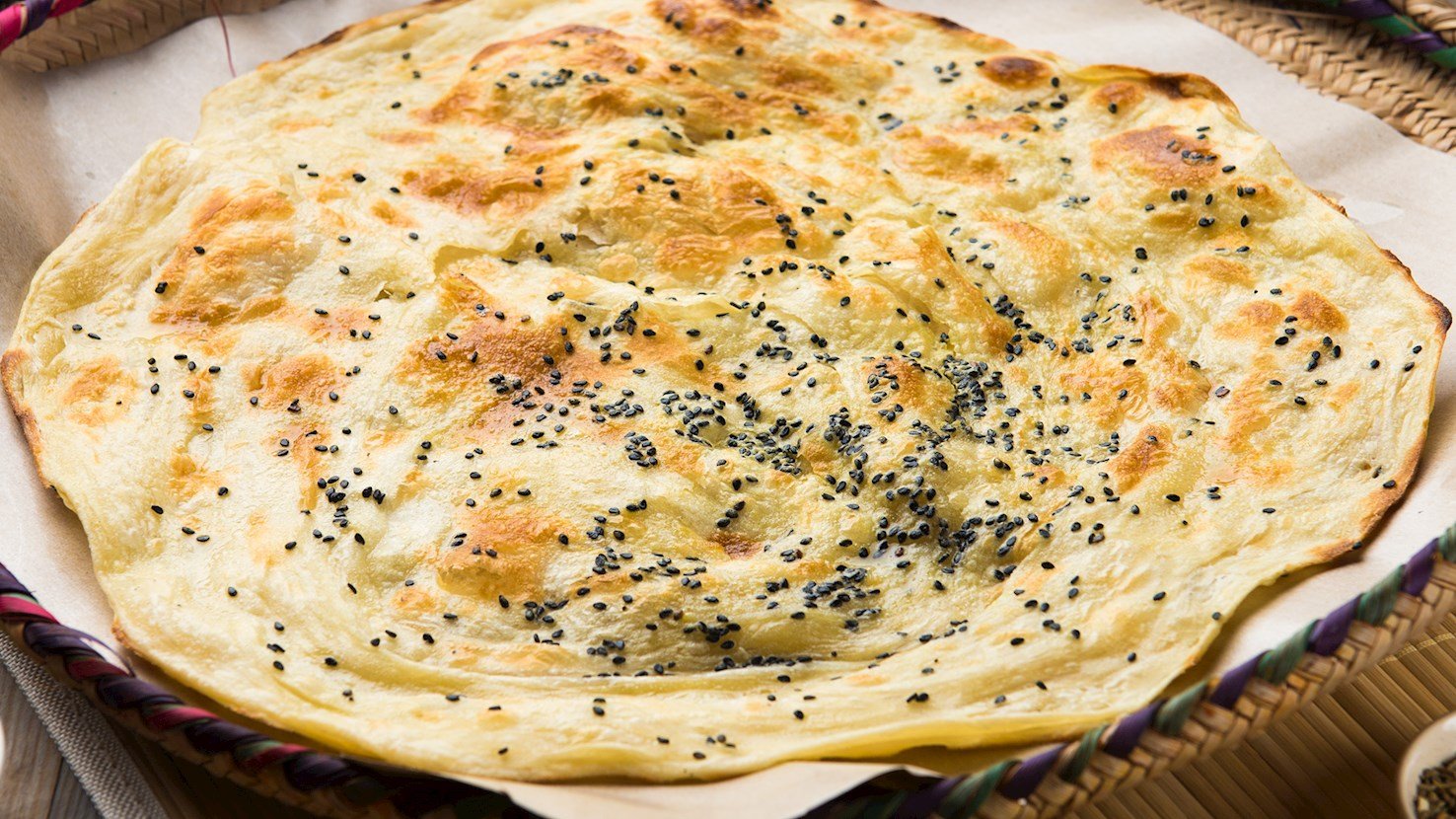
Mulawah: A Rich and Layered Bread
Mulawah is one of the traditional breads associated with Yemeni cuisine.
It is known for its layered texture and satisfying richness, making it an excellent accompaniment to savory dishes.
Its texture makes it particularly enjoyable when combined with flavorful sauces or traditional Yemeni preparations.
For diners who enjoy breads with a more substantial texture, Mulawah is an excellent choice to explore.
Muataf and Traditional Yemeni Bread Culture
Another traditional option found in Yemeni cuisine is Muataf.
Like many Yemeni breads, its appeal comes from the combination of texture and simplicity.
Traditional breads such as Muataf demonstrate how Yemeni cooking can transform basic ingredients into foods that play an important role in everyday meals.
They can be enjoyed on their own or combined with other dishes to create a more complete dining experience.
Rashosh and Rateb
Yemeni cuisine also includes breads such as Rashosh and Rateb.
These varieties add even more diversity to the traditional bread selection.
For someone unfamiliar with Yemeni food, trying different breads can be an easy way to explore the cuisine without immediately choosing one of the more complex main dishes.
The differences in texture and preparation make each bread a small part of Yemen’s wider culinary story.
Bread and Yemeni Breakfast
Traditional bread is also closely connected with breakfast and lighter meals.
A Yemeni breakfast can include bread alongside eggs, honey, cheese, beans, or other flavorful ingredients.
The combination of warm bread with simple ingredients creates a satisfying meal without requiring elaborate preparation.
This reflects an important characteristic of Yemeni food culture: everyday meals can be both simple and full of flavor.
Traditional Bread and Honey
Sweet flavors also have a place in Yemeni bread traditions.
Bread can be paired with honey or other sweet ingredients to create a simple but delicious breakfast or snack.
The contrast between warm bread and natural sweetness is particularly appealing to people who enjoy traditional breakfasts.
It also demonstrates the versatility of Yemeni bread. The same basic food can work with savory dishes as well as sweet ingredients.
Bread as an Accompaniment to Traditional Dishes
One of the best ways to appreciate Yemeni bread is to enjoy it with traditional dishes.
Bread can complement stews, sauces, vegetables, and meat, helping balance different textures and flavors.
For example, rich and flavorful dishes can become even more enjoyable when paired with a warm traditional bread.
Instead of thinking of bread as a separate side dish, Yemeni dining encourages you to see it as part of the meal itself.
The Social Experience of Sharing Bread
Food is an important part of Yemeni hospitality.
Traditional meals are often enjoyed around a shared table, and bread naturally fits into this style of dining.
A large selection of food allows everyone to taste different dishes and discover new combinations.
Sharing bread and other dishes creates a relaxed dining experience that encourages conversation and connection.
This is one of the reasons Yemeni cuisine works so well for family meals and gatherings with friends.
What Makes Yemeni Bread Different?
Traditional Yemeni breads are interesting because they demonstrate how much variety can come from simple ingredients.
Flour, water, and other basic ingredients can be transformed into breads with completely different textures and characteristics.
The preparation technique is often just as important as the ingredients.
Some breads are layered, while others are softer or thinner. Some work particularly well with savory dishes, while others can be enjoyed with sweet ingredients.
This variety makes bread an important part of exploring Yemeni cuisine.
How to Choose Your First Yemeni Bread
If you’ve never tried Yemeni bread before, don’t worry about choosing the “right” one.
Instead, consider what you normally enjoy.
If you like rich, layered bread, Mulawah can be a great place to start.
If you prefer something lighter or want to explore different traditional textures, trying Muataf, Rashosh, or Rateb can introduce you to other sides of Yemeni bread culture.
You can also ask the restaurant team for recommendations based on the dish you plan to order.
Discover Traditional Yemeni Bread in Geneva
You don’t have to travel to Yemen to explore its traditional breads.
At Al Khaima in Geneva, guests can discover traditional Yemeni and Gulf cuisine, including a selection of breads inspired by the region’s culinary heritage.
Trying traditional bread alongside a main dish can make the dining experience more complete and give you a better understanding of how Yemeni meals are traditionally enjoyed.
Whether you’re visiting with family, meeting friends, or simply curious about Yemeni cuisine, traditional bread is worth exploring.
A Simple Food With a Rich Tradition
Traditional Yemeni bread may look simple, but it represents an important part of the country’s culinary identity.
It connects everyday meals with family traditions, hospitality, and communal dining.
From layered breads such as Mulawah to other traditional varieties, each type adds something different to the table.
And when paired with Yemeni dishes, bread becomes part of a much larger experience — one based on flavor, sharing, and tradition.
Experience Yemeni Bread at Al Khaima
Exploring Yemeni cuisine doesn’t always mean starting with the most famous dish.
Sometimes, discovering the culture through something as simple as traditional bread can be just as rewarding.
At Al Khaima, you can explore Yemeni and Gulf flavors through traditional dishes, breads, desserts, and drinks in the heart of Geneva.
Whether you’re already familiar with Yemeni cuisine or trying it for the first time, adding traditional bread to your meal is a simple way to discover something new.
Ready to explore the traditional flavors of Yemen?
Visit Al Khaima in Geneva and discover authentic Yemeni cuisine, including traditional breads prepared as part of the region’s rich culinary heritage.
Al Khaima
11, Rue Neuve-du-Molard
1204 Geneva, Switzerland
Explore the menu and discover more at https://al-khaima.ch/
👉 Book Now: https://al-khaima.ch/reservation/
👉 Message Us: https://wa.me/41783545652