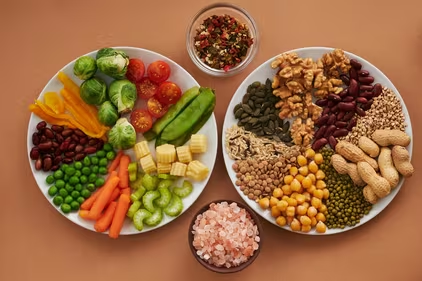

Why You Should Reduce Licorice and Sodium Intake in Ramadan is a month of spiritual reflection, discipline, and self-control. However, for individuals living with high blood pressure (hypertension), fasting requires additional attention to dietary habits and lifestyle adjustments. While fasting can have health benefits, poor nutritional choices — especially consuming excessive sodium or licorice — can negatively impact blood pressure levels.
Understanding how certain foods affect your body during fasting is essential for maintaining stability, avoiding complications, and ensuring a safe and healthy Ramadan experience.
In this article, we will explore why people with high blood pressure should reduce licorice and sodium intake during Ramadan, how these substances affect the body, and practical strategies for maintaining balanced blood pressure while fasting.
Understanding High Blood Pressure and Fasting
High blood pressure occurs when the force of blood against artery walls remains consistently elevated. Over time, uncontrolled hypertension increases the risk of:
-
Heart disease
-
Stroke
-
Kidney problems
-
Vision loss
-
Vascular damage
During Ramadan, the body undergoes changes in hydration, meal timing, and sleep patterns. These changes can influence blood pressure levels — sometimes positively, but in other cases negatively if diet is not controlled.
Two major dietary risks during Ramadan are:
-
Excess sodium (salt-heavy foods)
-
Licorice consumption (a popular Ramadan drink in many regions)
Both can significantly raise blood pressure levels.
Why Sodium Is Dangerous for Hypertensive Patients During Ramadan
Sodium causes the body to retain water. When excess sodium is consumed:
-
The body holds onto extra fluid
-
Blood volume increases
-
Pressure inside blood vessels rises
-
The heart works harder
During fasting, dehydration can already stress the body. When sodium levels are high, the imbalance becomes worse, increasing:
-
Thirst
-
Headaches
-
Swelling
-
Elevated blood pressure spikes
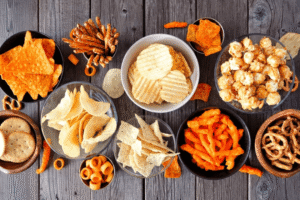
Common high-sodium foods often eaten in Ramadan include:
-
Pickles
-
Processed cheeses
-
Salted nuts
-
Chips
-
Processed meats
-
Canned soups
-
Fast food
Even traditional dishes may contain hidden salt if heavily seasoned.