
A Guide to Qahwa and Its Timeless Traditions: Why Yemen Matters
Long before espresso machines and drive-through coffee chains, there was Yemen. The port city of Mokha gave its name to an entire style of coffee, and for centuries Yemeni traders were the gatekeepers of coffee beans travelling from Africa to the rest of the world. Understanding Yemeni coffee culture means understanding where the modern coffee ritual actually started.
In Yemen, coffee was never just a drink to grab on the way to work. It was, and still is, a social event — a reason to sit down, slow down, and talk. That spirit is exactly what we try to bring to the table at Al Khaima in Geneva.
What Is Qahwa?
Qahwa is the traditional Yemeni and Gulf-style coffee, and it is worlds apart from the espresso-based drinks most Europeans know. It’s lighter in color, often brewed from lightly roasted beans, and infused with warming spices.
How Qahwa Differs From Regular Coffee
Three things set Qahwa apart from a standard cup of black coffee:
1. The Roast
Yemeni coffee beans are usually roasted lightly, sometimes barely past green, which preserves a fruity, slightly tangy flavor rather than the deep bitterness of a dark roast.
2. The Spices
Cardamom is the star, but ginger, cloves, and cinnamon frequently make an appearance. The result is a fragrant, almost tea-like experience rather than a straightforward jolt of caffeine.
3. The Ritual
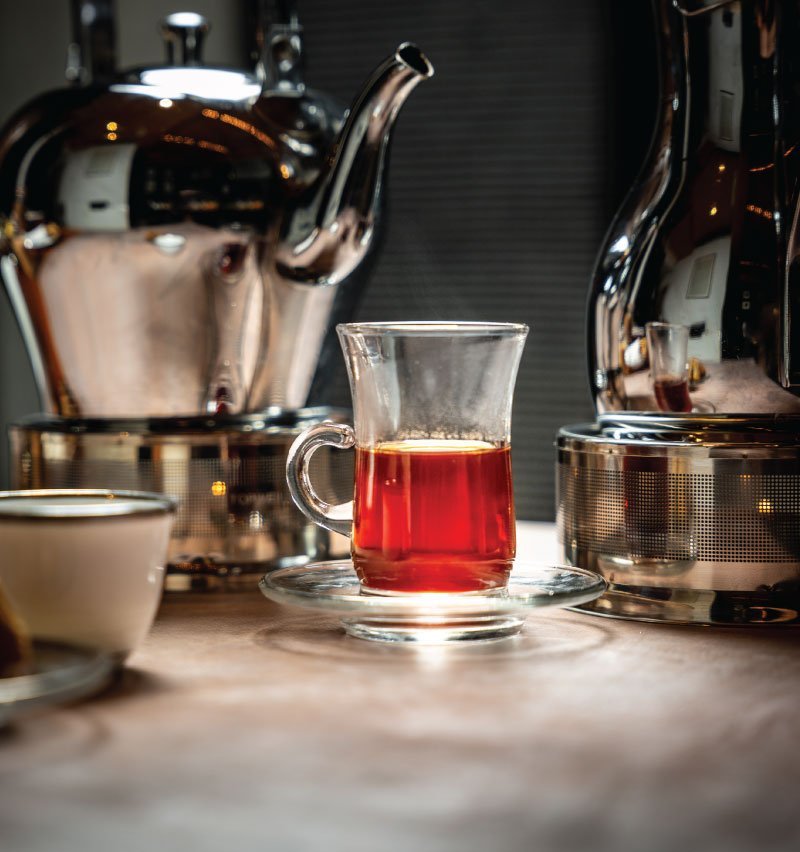
Qahwa is brewed slowly, often in a dallah (a long-spouted pot), and served in small cups that are refilled again and again as conversation continues.
Quick Tip
If you’ve only ever had Qahwa from a supermarket instant sachet, you haven’t really had it. The difference between instant and freshly brewed Qahwa is night and day.
How Qahwa Is Traditionally Brewed
The brewing process itself is part of what makes Qahwa special. Beans are typically roasted lightly in a pan just before brewing, then ground and simmered slowly with water and spices in a dallah, rather than passed quickly through a machine.
Step by Step
Roasting
The beans are roasted just enough to develop aroma without turning dark or oily, which is what keeps the final cup light rather than bitter.
Simmering With Spices
Ground cardamom, and sometimes ginger or cloves, are added directly to the pot and simmered together with the coffee, rather than added afterward as a garnish.
Serving in Small Cups
Qahwa is poured into small handleless cups, filled only partway, encouraging guests to accept refills rather than nursing one large cup for the whole visit.
The Role of Coffee in Yemeni Hospitality
In Yemeni and wider Gulf culture, offering coffee to a guest is one of the first gestures of hospitality. Turning down a cup can even be seen as a small social misstep. Coffee accompanies almost every occasion — weddings, business meetings, family gatherings, and simple afternoon visits.
Coffee and Dates: A Classic Pairing
Qahwa is almost always served alongside dates. The sweetness of the fruit balances the light bitterness and spice of the coffee, creating a combination that has stayed unchanged for generations.
Did you know?
Some historians trace the word “coffee” itself back through Arabic “qahwa,” which travelled into Turkish, then into European languages as “café” and “coffee.”
Bringing Qahwa to Geneva
At Al Khaima, located at 11, Rue Neuve-du-Molard in the heart of Geneva, we serve Qahwa the way it has been prepared for generations — lightly roasted, spiced with cardamom, and poured to be shared. It’s one of the small details that make Gulf-Yemeni dining feel different from anything else in the city.
Pairing Qahwa With Our Menu
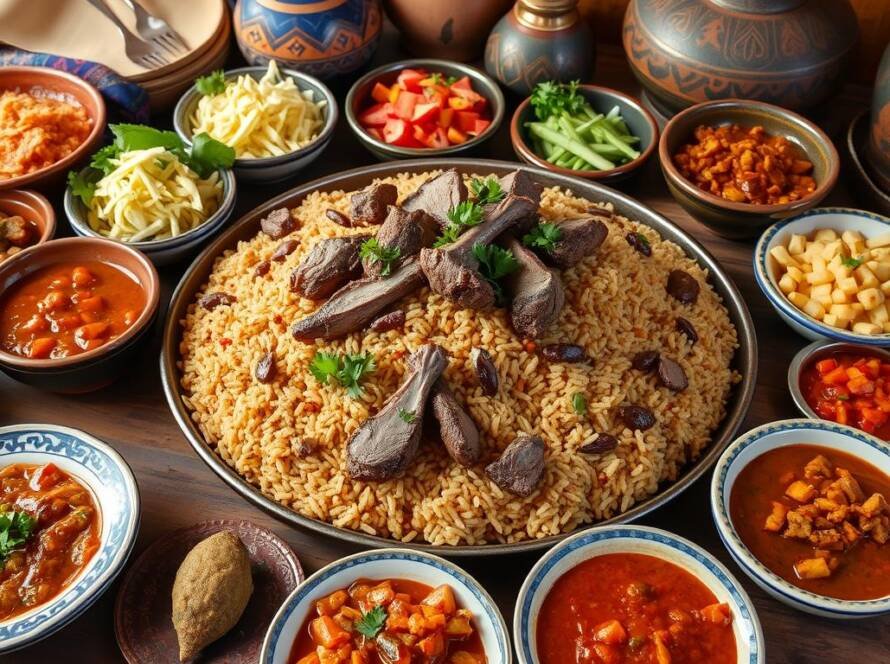
Qahwa works beautifully as a way to end a meal at Al Khaima, especially after our grilled meat dishes or a plate of Mandi. It also pairs nicely with something sweet, which is why many guests order it alongside dessert or a plate of dates.
Why Slowing Down Around Coffee Still Matters
In a city like Geneva, where meals are often squeezed between meetings, the Yemeni approach to coffee offers a deliberate contrast. Qahwa isn’t designed to be consumed on the move; it’s designed to hold people at a table a little longer, which is arguably why it has endured for so many centuries relatively unchanged.
A Cultural Export Worth Preserving
As Yemeni cuisine slowly gains recognition across Europe, coffee is often the easiest entry point for newcomers, since it requires no adjustment to unfamiliar main courses — just an open mind and a bit of patience for the ritual around it.
What This Means for Diners in Switzerland
Switzerland already has a strong coffee culture of its own, which makes it an interesting place to introduce Qahwa. Guests familiar with espresso and filter coffee often find the lighter, spiced profile of Qahwa a pleasant surprise rather than an unfamiliar challenge, and many end up ordering it again on future visits.
Visit Al Khaima for an Authentic Coffee Experience
If you’re curious about Gulf-Yemeni coffee culture and want to taste it rather than just read about it, Al Khaima welcomes you Tuesday through Sunday, from 12:00 PM to 10:00 PM (closed Mondays), at 11, Rue Neuve-du-Molard, 1204 Geneva. You can also reach us at +41 78 354 56 52 or info@al-khaima.ch to reserve a table.
Frequently Asked Questions
Is Yemeni Qahwa strong in caffeine?
It’s generally milder than espresso, since the beans are lightly roasted and often diluted with spices and water, making it gentler on the stomach even with multiple refills.
Can I order Qahwa without cardamom?
Yes, our team is happy to adjust the spice blend to your preference — just let your server know when ordering.
Is Qahwa served hot or cold?
Traditionally it’s served hot, poured fresh from the dallah throughout the meal or gathering.
For anyone looking to discover why Yemeni food is capturing the attention of food lovers across Europe, Al Khaima in Geneva provides the perfect introduction to one of the Arabian Peninsula’s most remarkable cuisines.
👉 Book Now: https://al-khaima.ch/reservation/
👉 Message Us: https://wa.me/41783545652