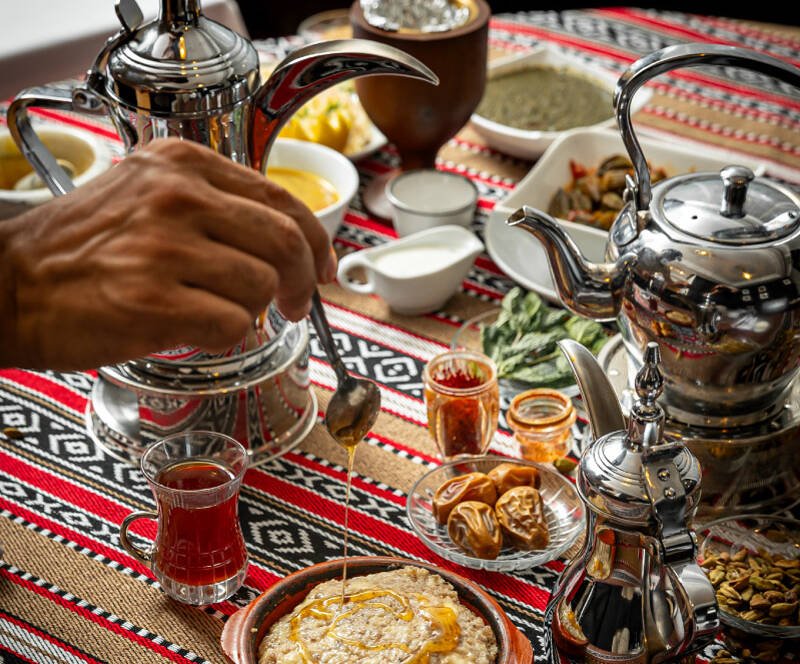

What Makes Gulf-Yemeni Cuisine Unique and Memorable Gulf-Yemeni cuisine is one of the most distinctive culinary traditions in the Middle East, celebrated for its rich flavors, aromatic spices, and deep cultural roots. It is a cuisine shaped by history, geography, and centuries of cultural exchange, resulting in dishes that are both comforting and unforgettable. From slow-cooked meats and fragrant rice to freshly baked bread and flavorful stews, every element reflects authenticity and tradition.
What makes Gulf-Yemeni cuisine truly unique is its ability to combine simplicity with complexity. While many dishes are prepared using humble ingredients, the careful layering of spices and traditional cooking techniques creates extraordinary depth of flavor. The cuisine is also strongly connected to hospitality and family traditions, making every meal feel warm, welcoming, and meaningful.
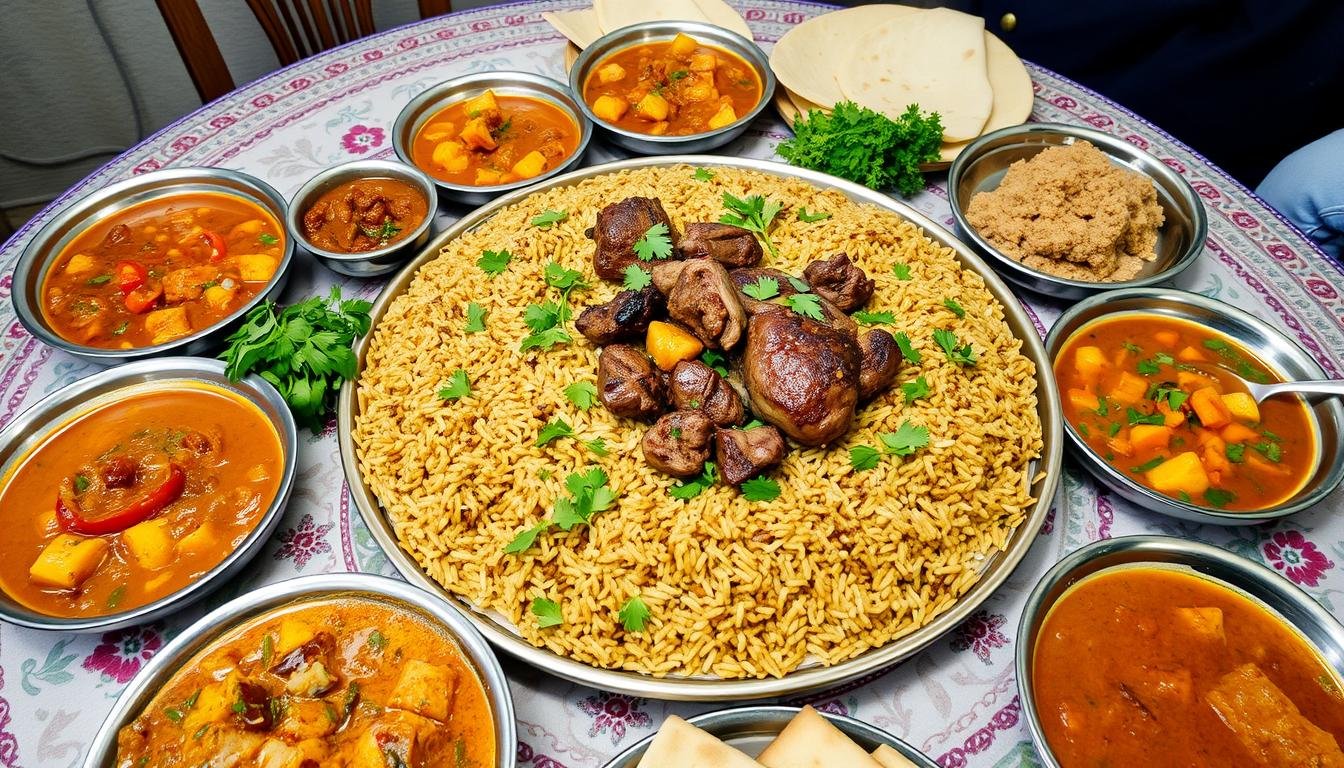
Table of Contents
ToggleThe Rich Cultural Heritage Behind the Cuisine
A Blend of Gulf and Yemeni Traditions
The close historical relationship between Yemen and the Gulf region has played a major role in shaping the cuisine. Trade routes and cultural interactions allowed ingredients, spices, and cooking methods to spread across the region, creating a shared culinary identity with distinct local touches.
While Gulf countries introduced their own interpretations and regional flavors, Yemeni cooking traditions remained at the heart of many iconic dishes. This combination created a cuisine that feels diverse yet connected, offering a unique balance of authenticity and regional influence.
Influences from Ancient Trade Routes
Yemen was historically known as a center for spice trade, connecting the Middle East with Asia and Africa. Merchants traveling through the region introduced ingredients such as cardamom, cloves, cinnamon, and saffron, which became essential parts of local cooking.
These spices transformed everyday meals into flavorful culinary experiences and continue to define the character of Gulf-Yemeni cuisine today.
Signature Flavors That Define Gulf-Yemeni Cuisine
Aromatic and Balanced Spices
One of the most recognizable features of Gulf-Yemeni cuisine is its use of aromatic spices. Unlike cuisines that focus heavily on heat, Gulf-Yemeni dishes emphasize balance and depth. Spices are blended carefully to enhance flavor without overpowering the dish.
Cumin, coriander, turmeric, black pepper, and cardamom are commonly used to create warm and layered flavor profiles. This balanced seasoning gives the cuisine its signature taste and memorable aroma.
Slow-Cooked Perfection
Traditional cooking methods are another reason why Gulf-Yemeni cuisine stands out. Many dishes are prepared slowly over low heat, allowing flavors to develop naturally and meats to become tender and juicy.
This slow-cooking approach creates rich textures and enhances the overall dining experience. Whether it is roasted lamb, simmered stews, or grilled meats, patience is considered an essential ingredient in the cooking process.
Iconic Dishes That Leave a Lasting Impression
Mandi: A Culinary Symbol of Hospitality
Mandi is one of the most iconic dishes associated with Gulf-Yemeni cuisine. It consists of fragrant rice and slow-cooked meat prepared with a carefully selected blend of spices.
Traditionally cooked in underground ovens, Mandi is known for its smoky flavor and tender texture. It is often served during celebrations and family gatherings, symbolizing hospitality, generosity, and togetherness.
Saltah: Yemen’s Signature Comfort Food
Saltah is considered one of Yemen’s most beloved traditional dishes. This hearty stew combines meat, vegetables, herbs, and a distinctive fenugreek topping that gives it a unique texture and flavor.
Served hot and bubbling, Saltah reflects the comforting and home-style nature of Yemeni cooking. Its rich taste and rustic presentation make it unforgettable for anyone experiencing Yemeni cuisine for the first time.
Kabsa and Regional Variations
Kabsa is another famous dish enjoyed throughout the Gulf region. It features seasoned rice cooked with meat, vegetables, and aromatic spices, with each country adding its own variation.
The dish highlights the shared culinary traditions of the Gulf while showcasing the diversity within the region. Its bold flavor and satisfying texture make it a favorite across generations.
Traditional Cooking Methods That Preserve Authenticity
Clay Ovens and Traditional Tools
Traditional cooking tools play an important role in preserving the authentic taste of Gulf-Yemeni dishes. Clay ovens and large cooking pots are often used to prepare meats and bread, adding depth and character to the food.
These methods are deeply connected to the heritage of the cuisine and contribute to the unique textures and flavors that modern cooking techniques often struggle to replicate.
Freshly Prepared Ingredients
Fresh ingredients are essential in Gulf-Yemeni cooking. Herbs, spices, meats, and vegetables are carefully selected to ensure quality and authenticity.
This focus on freshness enhances the flavor of every dish while maintaining the integrity of traditional recipes.
The Role of Hospitality in Gulf-Yemeni Dining
Food as a Social Experience
In Gulf and Yemeni cultures, food is closely connected to hospitality and community. Meals are designed to be shared, often served in large platters that encourage togetherness and conversation.
This communal style of dining creates a warm and welcoming atmosphere where guests feel valued and appreciated.
Celebrating Generosity Through Food
Generosity is a central part of Gulf-Yemeni culture, and this is reflected in the way meals are prepared and served. Hosts often provide abundant portions and a wide variety of dishes to ensure guests feel comfortable and honored.
This strong emphasis on hospitality makes dining more than just eating; it becomes a meaningful cultural experience.
The Modern Appeal of Gulf-Yemeni Cuisine
Blending Tradition with Contemporary Presentation
While Gulf-Yemeni cuisine remains deeply rooted in tradition, many modern restaurants are introducing contemporary presentation styles that make the dishes more visually appealing without compromising authenticity.
This modern approach helps attract younger audiences and international diners while preserving the original flavors and techniques.
Growing International Recognition
Gulf-Yemeni cuisine is gaining popularity around the world as more people seek authentic and culturally rich dining experiences. Restaurants specializing in these flavors are introducing global audiences to the unique taste and heritage of the region.
Its combination of bold spices, comforting dishes, and strong cultural identity makes it stand out in the global culinary scene.
Why Gulf-Yemeni Cuisine Remains Unforgettable
What truly makes Gulf-Yemeni cuisine unique and memorable is its ability to create emotional connections through food. Every dish carries a sense of tradition, history, and hospitality that transforms a simple meal into a meaningful experience.
The combination of rich spices, slow-cooked flavors, communal dining traditions, and authentic preparation methods creates a culinary journey unlike any other. Whether enjoyed during a family gathering, a celebration, or a casual meal, Gulf-Yemeni cuisine leaves a lasting impression that continues to inspire food lovers around the world.