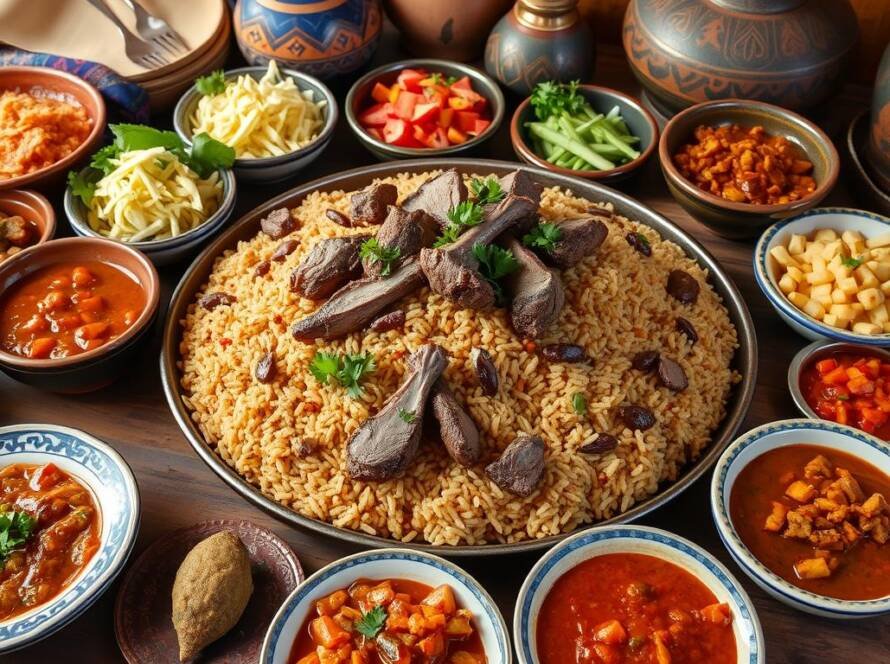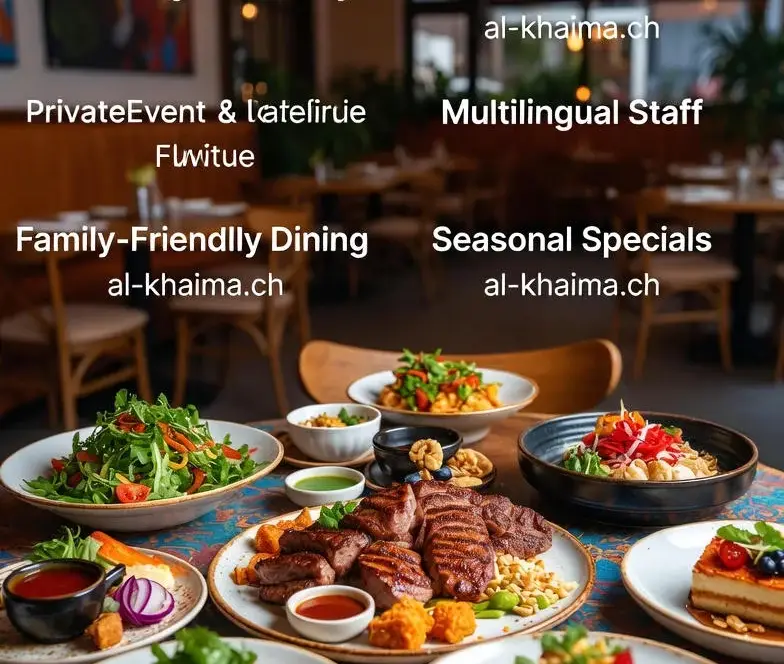

A Culinary Journey Through Yemeni and Gulf Heritage offer a rich and immersive journey into a world of bold flavors, deep-rooted customs, and centuries-old heritage. This cuisine is not just about food; it is a reflection of identity, geography, and shared history. From historic marketplaces to modern dining destinations, Yemeni and Gulf dishes continue to tell stories that connect generations and cultures.
This journey is defined by authenticity, where every spice blend, cooking method, and serving style carries meaning. It is a cuisine built on both simplicity and depth, offering comforting meals that are nourishing, flavorful, and culturally significant.
Table of Contents
ToggleThe Cultural Foundations of Yemeni and Gulf Cuisine
A Heritage Shaped by Geography and Trade
Yemen’s strategic location historically made it a central hub for trade between Asia, Africa, and the Middle East. This exposure introduced a wide range of spices and ingredients that became essential to local cooking. Over time, these influences spread across the Gulf region, creating a shared culinary identity with regional variations.
Gulf countries adopted many Yemeni techniques while incorporating their own local ingredients and preferences. This cultural exchange resulted in a cuisine that feels unified yet diverse, where each dish reflects a blend of influences and traditions.

The Role of Tradition in Everyday Cooking
Tradition plays a vital role in Yemeni and Gulf households. Recipes are often passed down through generations, preserving the authenticity of flavors and techniques. Cooking is approached with patience, whether through slow preparation or careful seasoning.
Meals are often prepared with the intention of sharing, reinforcing the idea that food is a social and cultural experience. This deep connection between food and family is one of the defining characteristics of the cuisine.
Signature Flavors and Ingredients
The Power of Spices
Spices are the heart of Yemeni and Gulf cooking. Ingredients like cardamom, cumin, turmeric, and cloves are combined with precision to create complex and layered flavors. Each spice contributes to the overall profile of a dish, enhancing both aroma and taste.
The balance between warmth and richness is what makes these dishes stand out. This careful use of spices transforms simple ingredients into memorable culinary experiences.
Staple Ingredients That Define the Cuisine
Rice, meat, and bread form the foundation of many dishes. Lamb and chicken are commonly used, often cooked until tender and infused with rich spices. Rice dishes serve as the centerpiece of many meals, offering both flavor and texture.
Traditional breads are equally important, often used to enjoy stews and sauces. These staples create a sense of comfort and familiarity, making the cuisine accessible and satisfying.
Iconic Dishes That Tell a Story
Mandi and Its Cultural Significance
Mandi is one of the most iconic dishes in Yemeni and Gulf cuisine. Known for its fragrant rice and tender meat, it is traditionally cooked using slow roasting techniques that enhance its flavor.
This dish is often associated with gatherings and celebrations, symbolizing generosity and togetherness. Sharing a plate of Mandi is more than just dining; it is a cultural experience rooted in hospitality.
Saltah: The Heart of Yemeni Cuisine
Saltah is widely regarded as Yemen’s national dish. It is a hearty stew made with meat, vegetables, and a distinctive fenugreek-based topping that gives it a unique texture and flavor.
Served hot and full of depth, Saltah reflects the essence of Yemeni cuisine by combining simple ingredients with bold flavors. It remains a staple in many households and a must-try dish for those exploring authentic Yemeni food.
Kabsa and Gulf Variations
Kabsa is a beloved dish across the Gulf region. It features spiced rice cooked with meat and vegetables, with each country offering its own variation. Despite these differences, the essence of Kabsa remains consistent, highlighting the shared culinary heritage of the region.
Its versatility and rich flavor make it a favorite for both everyday meals and special occasions.
Traditional Cooking Techniques
Slow Cooking for Authentic Taste
One of the defining features of Yemeni and Gulf cuisine is the use of slow cooking methods. These techniques allow flavors to develop fully, resulting in dishes that are rich and well-balanced.
Whether it is a stew simmering for hours or meat being carefully roasted, the emphasis is always on achieving depth and authenticity in flavor.
Traditional Cooking Tools
Traditional cooking tools such as clay pots and stone ovens play an important role in achieving authentic results. These methods add unique textures and enhance the overall taste of the dishes.
Even in modern kitchens, many chefs strive to replicate these traditional techniques to preserve the integrity of the cuisine while benefiting from modern efficiency.
The Experience of Dining
Hospitality and Generosity
Hospitality is at the core of Yemeni and Gulf culture. Guests are welcomed with generosity, and meals are prepared in abundance. Sharing food is seen as a way of building relationships and expressing respect.
This tradition is reflected in the way dishes are served, often in large platters designed for communal dining. The experience emphasizes connection and togetherness.
A Social and Cultural Experience
Dining is not just about eating; it is about engaging with culture and community. Meals are often accompanied by conversation, laughter, and shared moments that create lasting memories.
This social aspect elevates the dining experience, making it meaningful and memorable for everyone involved.
The Modern Evolution of Yemeni and Gulf Cuisine
Preserving Tradition While Embracing Innovation
As global dining trends continue to evolve, Yemeni and Gulf cuisine has found ways to adapt while staying true to its roots. Modern chefs are introducing new presentation styles and techniques without compromising authenticity.
This balance between tradition and innovation ensures that the cuisine remains relevant and appealing to a wider audience.
Expanding to a Global Audience
Today, Yemeni and Gulf dishes are gaining recognition worldwide. Restaurants and chefs are introducing these flavors to international audiences, showcasing their richness and cultural significance.
By maintaining authenticity while adapting to modern expectations, the cuisine continues to grow in popularity and appreciation.
A Culinary Legacy That Continues to Inspire
The journey through Yemeni and Gulf heritage is one of flavor, tradition, and cultural pride. It is a cuisine shaped by history, enriched by diversity, and preserved through generations.
Each dish tells a story, connecting the past with the present and offering a glimpse into a rich cultural legacy. As more people discover these flavors, the tradition continues to thrive, ensuring that its heritage remains alive for generations to come.
👉 Book Now: https://al-khaima.ch/reservation/
👉 Message Us: https://wa.me/41783545652