
The Art of Crafting Delicious Food and Exquisite Drinks Creating exceptional food and drinks is more than a culinary process; it is an art form that combines creativity, precision, passion, and cultural influence. From selecting fresh ingredients to balancing flavors and presenting dishes beautifully, every step contributes to an unforgettable dining experience. Great cuisine has the power to bring people together, create lasting memories, and transform ordinary moments into something extraordinary.
In today’s evolving culinary world, guests are searching for more than just meals. They seek authenticity, quality, and experiences that stimulate all the senses. This is where the art of crafting delicious food and exquisite drinks truly stands out. It is about understanding flavor, respecting tradition, embracing innovation, and creating harmony between taste, texture, aroma, and presentation.
Table of Contents
ToggleThe Foundation of Exceptional Cuisine
The Importance of High-Quality Ingredients
Every remarkable dish begins with carefully selected ingredients. Fresh vegetables, premium meats, aromatic herbs, and authentic spices form the foundation of exceptional cuisine. Quality ingredients not only improve flavor but also elevate the overall dining experience.
Chefs who prioritize freshness and authenticity are able to create dishes that feel vibrant and satisfying. Seasonal ingredients also play a significant role, allowing menus to evolve naturally while ensuring the best possible taste and texture.
Balancing Flavor and Texture
Crafting delicious food requires a deep understanding of flavor balance. Sweetness, acidity, spice, bitterness, and umami must work together harmoniously to create a complete culinary experience.
Texture is equally important. A perfectly prepared dish often combines contrasting elements such as crispness and tenderness or creaminess and crunch. This balance keeps every bite interesting and enjoyable, adding depth to the overall experience.

The Creative Process Behind Culinary Excellence
Inspiration from Culture and Tradition
Many of the world’s most memorable dishes are inspired by cultural heritage and traditional recipes. Chefs often draw inspiration from family traditions, regional specialties, and historical cooking techniques to create meals that feel authentic and meaningful.
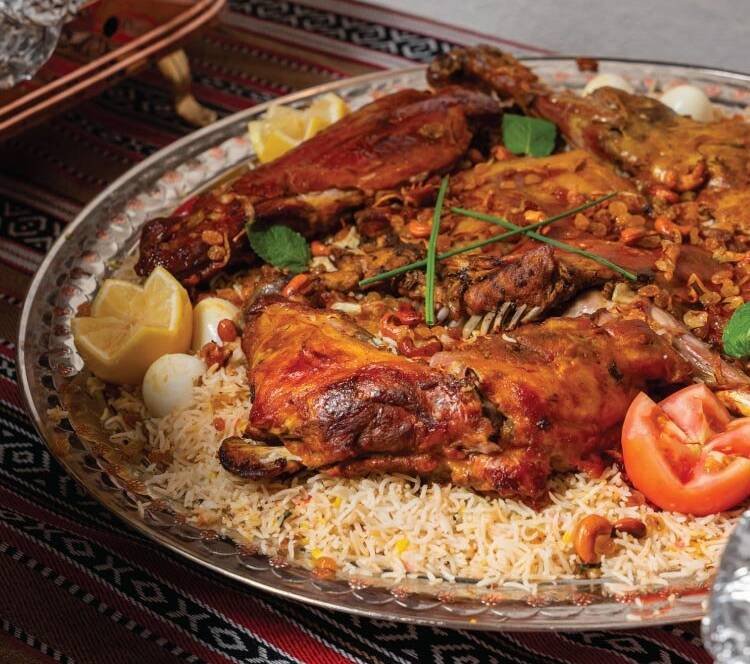
Traditional Middle Eastern, Yemeni, and Gulf cuisines are excellent examples of how culture influences flavor. Rich spice blends, slow-cooked meats, and handcrafted breads showcase generations of culinary knowledge passed down through time.
Innovation in Modern Gastronomy
While tradition provides a strong foundation, innovation allows chefs to push culinary boundaries and create new experiences. Modern gastronomy introduces contemporary cooking techniques, refined presentation styles, and creative ingredient pairings that transform familiar dishes into something unique.
This combination of tradition and innovation keeps cuisine exciting while preserving authenticity. The best culinary experiences often come from respecting heritage while embracing creativity.
The Role of Presentation in Dining
Food as Visual Art
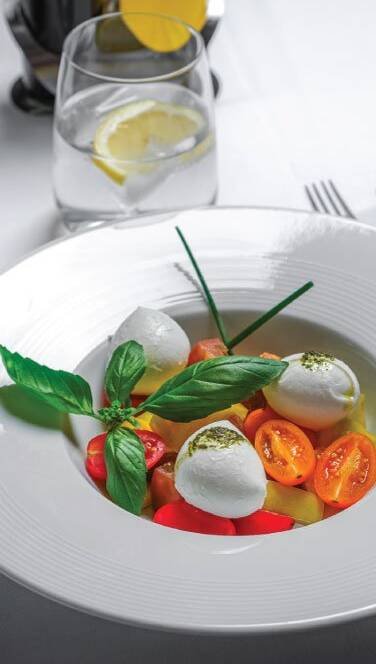
Presentation plays a major role in how guests experience food. Before tasting a dish, diners first engage with it visually. Elegant plating, vibrant colors, and thoughtful arrangement create anticipation and enhance the overall perception of quality.
Modern dining has elevated food presentation into an art form. Every detail matters, from the placement of ingredients to the use of garnishes and serving dishes. Beautiful presentation transforms a meal into a memorable sensory experience.
Creating Emotional Connections Through Dining
Exceptional food has the power to evoke emotions and create connections. A beautifully presented dish can remind guests of home, travel experiences, or meaningful celebrations.
Restaurants that focus on storytelling through food create stronger emotional engagement with their guests. This emotional connection often becomes one of the most memorable aspects of the dining experience.
The Craft of Exquisite Drinks
The Balance of Flavor in Beverages
Crafting exquisite drinks requires the same level of creativity and precision as preparing exceptional food. Whether it is traditional tea, specialty coffee, refreshing mocktails, or signature beverages, balance is essential.
The right combination of sweetness, acidity, freshness, and aroma creates drinks that complement meals and enhance the overall dining experience. Ingredients such as herbs, spices, fruits, and floral elements are often used to add depth and complexity.
Traditional and Modern Beverage Experiences
Many cultures have traditional beverages that carry deep cultural significance. Middle Eastern hospitality, for example, is closely connected to Arabic coffee and tea infused with cardamom and herbs.
Modern beverage trends have introduced creative twists on these classics, blending traditional flavors with contemporary presentation techniques. This fusion allows restaurants to preserve cultural authenticity while appealing to modern tastes.
The Importance of Atmosphere and Hospitality
Dining Beyond the Plate
Great food and drinks are only part of the equation. The atmosphere of a restaurant significantly influences how guests perceive the overall experience. Lighting, music, décor, and service all contribute to creating a welcoming and memorable environment.
A thoughtfully designed dining space enhances comfort and encourages guests to relax and fully enjoy their meals.
Hospitality as an Essential Ingredient
True hospitality goes beyond service efficiency. It is about making guests feel valued, welcomed, and comfortable. Warm interactions, attention to detail, and personalized recommendations help create meaningful dining experiences.
Many cultures, especially Middle Eastern traditions, place strong emphasis on hospitality as a symbol of respect and generosity. This cultural value adds depth and authenticity to the dining journey.
The Evolution of Culinary Experiences
Meeting Modern Dining Expectations
Today’s diners expect more than just good food. They look for experiences that combine quality, creativity, authenticity, and atmosphere. Restaurants must continuously evolve to meet these changing expectations while maintaining consistency and excellence.
Open kitchens, chef-driven menus, and immersive dining concepts have become increasingly popular as guests seek transparency and interaction with the culinary process.
Sustainability and Conscious Dining
Modern culinary trends also emphasize sustainability and responsible sourcing. Many restaurants are focusing on local ingredients, reducing food waste, and supporting ethical farming practices.
This approach not only benefits the environment but also improves ingredient quality and strengthens the connection between food and community.
Why Culinary Craftsmanship Matters
Creating Memorable Experiences
The art of crafting delicious food and exquisite drinks is ultimately about creating memorable experiences. Guests may forget individual details, but they remember how a meal made them feel. Exceptional cuisine leaves a lasting impression through flavor, atmosphere, and emotional connection.
Restaurants that consistently deliver these experiences build strong reputations and lasting relationships with their guests.
Celebrating Creativity and Passion
Culinary craftsmanship celebrates the creativity and dedication of chefs, beverage specialists, and hospitality teams. Every dish and drink represents hours of preparation, experimentation, and passion for excellence.
This dedication is what transforms dining into an experience that inspires, comforts, and brings people together.
A Timeless Culinary Journey
The art of crafting exceptional food and drinks continues to evolve while remaining deeply connected to tradition and human connection. Whether inspired by cultural heritage or modern innovation, great cuisine reflects the universal desire to share, celebrate, and create memorable moments through food.
By combining fresh ingredients, creative techniques, refined presentation, and genuine hospitality, restaurants can create experiences that go far beyond dining. They create journeys of flavor, culture, and connection that guests will remember long after the meal has ended.