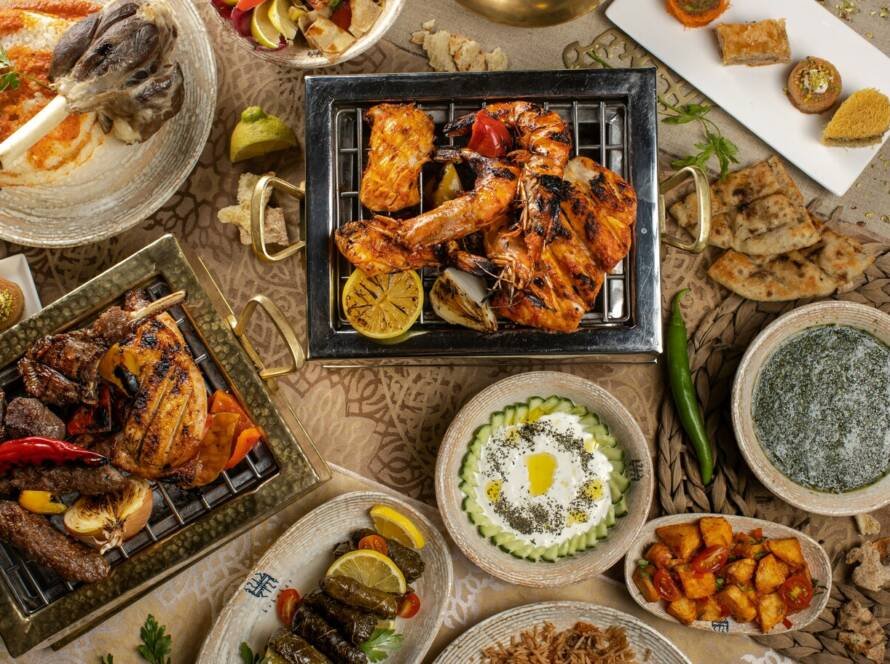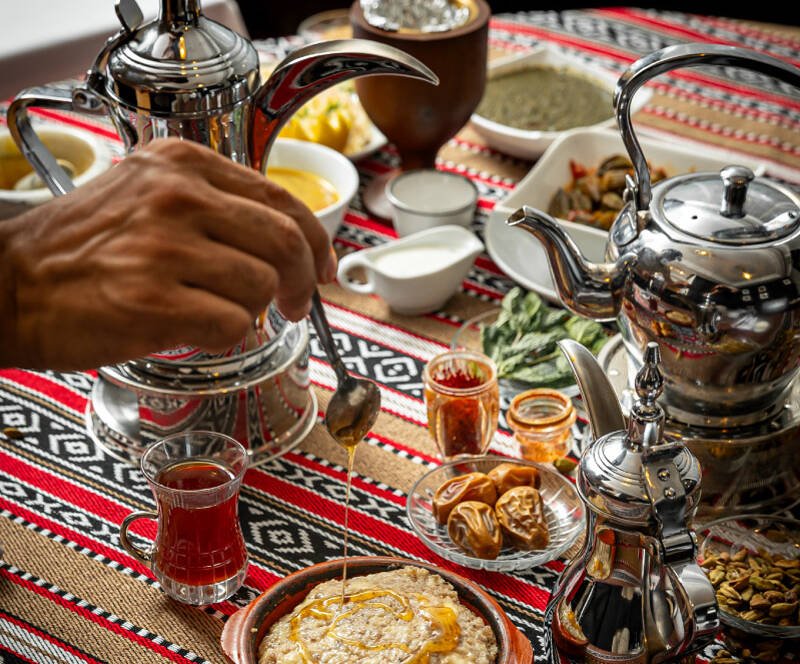

Is Yemeni Food Spicy? Everything You Need to Know Before Ordering If you’ve never tried Yemeni cuisine before, one of the first questions you may ask is: “Is Yemeni food spicy?” It’s a common concern, especially for diners who are sensitive to heat or unfamiliar with Middle Eastern flavors.
The good news is that Yemeni food is often misunderstood when it comes to spice levels. While Yemeni cuisine is rich in flavor and aromatic seasonings, it is generally not as spicy as many people expect. Instead of focusing on intense heat, Yemeni cooking emphasizes balance, fragrance, and depth of flavor.
Whether you’re planning your first visit to Al Khaima in Geneva or simply curious about traditional Yemeni cuisine, this guide will explain everything you need to know about Yemeni spices, heat levels, and the best dishes for first-time visitors.
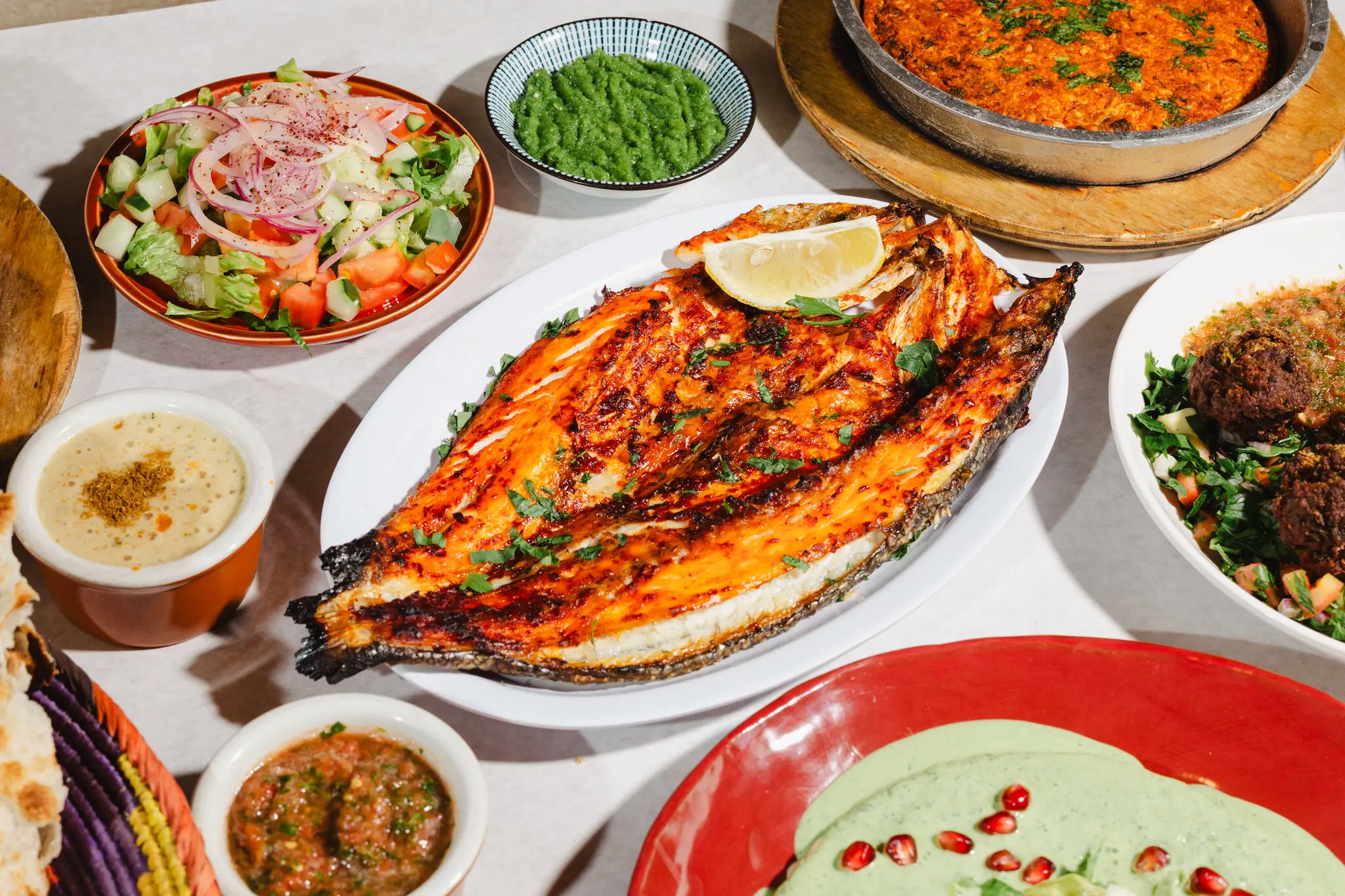
Understanding the Difference Between Spicy and Flavorful
Many people confuse “spicy” with “highly seasoned.”
What Does Spicy Really Mean?
When most people say food is spicy, they mean it contains ingredients that create heat, such as:
- Chili peppers
- Hot sauces
- Cayenne pepper
- Jalapeños
- Red pepper flakes
These ingredients create the burning sensation associated with spicy food.
What Does Flavorful Mean?
Flavorful food uses herbs and spices to create:
- Aroma
- Complexity
- Richness
- Balance
Without necessarily making the dish hot.
This is where Yemeni cuisine stands out.
Is Yemeni Food Actually Spicy?
The simple answer is:
Most Yemeni Food Is Mild to Moderately Spiced
Traditional Yemeni cuisine focuses more on aromatic spices than hot peppers.
Many dishes contain spices, but they are primarily used to enhance flavor rather than create heat.
As a result, most first-time visitors find Yemeni food much milder than cuisines such as:
- Indian food
- Thai food
- Mexican food
- Sichuan Chinese food
This makes Yemeni cuisine approachable for a wide variety of diners.
What Spices Are Commonly Used in Yemeni Cuisine?
Yemeni food is famous for its carefully balanced spice blends.
Cardamom
Cardamom provides a sweet and fragrant aroma that appears in both savory dishes and beverages.
Cinnamon
Cinnamon adds warmth and depth to rice dishes and slow-cooked meats.
Cloves
Cloves contribute a subtle sweetness and rich aroma.
Black Pepper
Black pepper is commonly used but typically in moderate amounts.
Cumin
Cumin adds earthy notes and enhances the overall flavor profile.
Saffron
Saffron is prized for its fragrance and luxurious character.
Turmeric
Turmeric contributes color and mild earthy flavors to various dishes.
Unlike hot chili peppers, these spices focus on creating aroma and complexity rather than heat.
Why Yemeni Food Tastes So Rich
One reason Yemeni food is often mistaken for being spicy is its incredible depth of flavor.
Traditional Cooking Methods
Many Yemeni dishes are cooked slowly for several hours.
This allows:
- Meat juices to develop
- Spices to blend naturally
- Flavors to become richer
High-Quality Ingredients
Traditional Yemeni recipes rely heavily on:
- Fresh meat
- Aromatic rice
- Natural herbs
- Authentic spice blends
The result is food that feels rich and satisfying without being overwhelmingly spicy.
Which Yemeni Dishes Are Mild?
If you’re concerned about spice levels, there are plenty of excellent options for first-time visitors.
Mandi
Mandi is one of Yemen’s most famous dishes and is usually considered very mild.
What Is Mandi?
Mandi consists of:
- Basmati rice
- Slow-cooked lamb or chicken
- Traditional aromatic spices
The flavors are rich but rarely hot.
Why Beginners Love It
Mandi offers an authentic Yemeni experience while remaining accessible to almost everyone.
Haneeth
Haneeth is another mild Yemeni favorite.
What Makes It Special?
The lamb is slow-roasted until tender and infused with aromatic spices.
The emphasis is on flavor rather than heat.
Grilled Meats
Many Yemeni grilled dishes are lightly seasoned and suitable for diners who prefer milder foods.
Which Yemeni Dishes Have More Spice?
Although Yemeni cuisine is generally mild, some dishes have stronger flavors.
Saltah
Saltah is Yemen’s national dish and one of its most unique culinary creations.
What Is Saltah?
Saltah is a hearty stew made with:
- Meat broth
- Vegetables
- Herbs
- Spices
- Hilbeh (fenugreek foam)
While it is packed with flavor, the spice level varies depending on preparation.
Fahsa
Fahsa is another traditional stew featuring shredded meat and a rich broth.
Strong Flavor, Not Extreme Heat
Many first-time diners expect Fahsa to be very spicy because of its bold taste.
In reality, it is usually more flavorful than hot.
What About Yemeni Hot Sauce?
If you enjoy spicy food, you’ll be happy to know that Yemeni cuisine offers options for adding heat.
Sahawiq
Sahawiq is Yemen’s famous chili-based condiment.
What Is Sahawiq Made Of?
Traditional Sahawiq may include:
- Fresh green chilies
- Tomatoes
- Garlic
- Coriander
- Herbs
Why It’s Served Separately
One of the best things about Yemeni dining is that spicy condiments are often served on the side.
This allows guests to control their own spice level.
If you enjoy heat, simply add more Sahawiq.
If you prefer milder flavors, you can enjoy your meal without it.
How Does Yemeni Food Compare to Other Cuisines?
Many diners find it helpful to compare Yemeni food with cuisines they already know.
Compared to Indian Food
Most Yemeni dishes are significantly milder than traditional Indian curries.
Compared to Thai Food
Thai cuisine often uses fresh chilies extensively, making it generally spicier than Yemeni food.
Compared to Mexican Food
Many Mexican dishes feature hot peppers that create stronger heat levels than typical Yemeni dishes.
Compared to Other Middle Eastern Foods
Yemeni cuisine tends to be more aromatic and spice-forward than some Middle Eastern cuisines, but it remains relatively mild in terms of heat.
Can Children Eat Yemeni Food?
Absolutely.
Family-Friendly Flavors
One reason Yemeni food is so popular among families is that many dishes are suitable for children.
Mild Rice Dishes
Mandi and rice-based meals are often favorites among younger diners.
Tender Meat
Slow-cooked lamb and chicken are easy to enjoy and generally well-received by children.
Customizable Spice Levels
Because spicy sauces are often served separately, parents can easily adjust meals according to their children’s preferences.
What Should You Order If You Don’t Like Spicy Food?
If you’re sensitive to heat, consider these options:
Best Choices
Chicken Mandi
A mild and flavorful introduction to Yemeni cuisine.
Lamb Mandi
Rich, aromatic, and rarely spicy.
Haneeth
Tender lamb with balanced seasoning.
Fresh Bread and Rice Dishes
Comforting and approachable for all taste preferences.
Ask Your Server
Most Yemeni restaurants are happy to recommend dishes based on your spice tolerance.
What Should You Order If You Love Spicy Food?
For diners who enjoy heat, there are plenty of ways to increase the spice level.
Add Sahawiq
This traditional Yemeni chili sauce is the easiest way to add heat to almost any dish.
Try Saltah
Its bold flavors pair exceptionally well with spicy condiments.
Request Extra Chili
Many restaurants can provide additional chili-based sauces upon request.
Why Yemeni Food Appeals to So Many People
One of the biggest strengths of Yemeni cuisine is its versatility.
Suitable for Different Taste Preferences
Whether you love spicy food or avoid it entirely, Yemeni cuisine can accommodate your preferences.
Flavor Without Overwhelming Heat
Many guests appreciate that Yemeni dishes focus on:
- Quality ingredients
- Slow cooking
- Aromatic spices
- Balanced flavors
Rather than relying solely on chili peppers.
Perfect for Sharing
The communal nature of Yemeni dining allows groups to enjoy a variety of dishes and spice levels together.
Experience Authentic Yemeni Flavors at Al Khaima
For those looking to explore authentic Yemeni cuisine in Geneva, Al Khaima offers an excellent introduction.
Traditional Recipes
Every dish is prepared using authentic techniques and carefully selected ingredients.
Options for Every Palate
Whether you prefer mild flavors or enjoy adding extra heat with Sahawiq, there are menu options suitable for every guest.
Warm Yemeni Hospitality
The welcoming atmosphere makes it easy for first-time visitors to explore Yemeni cuisine with confidence.
Final Thoughts
So, is Yemeni food spicy?
The answer is not usually. While Yemeni cuisine is rich in spices and flavor, it focuses far more on aroma, balance, and slow-cooked depth than intense heat. Most traditional dishes such as Mandi, Haneeth, and grilled meats are mild enough for nearly everyone to enjoy.
For those who enjoy spicy food, condiments like Sahawiq provide the perfect way to add extra heat without changing the character of the dish.
Whether you’re trying Yemeni food for the first time or returning for another culinary adventure, Al Khaima offers a delicious opportunity to experience one of the Arabian Peninsula’s most flavorful and welcoming cuisines.
👉 Book Now: https://al-khaima.ch/reservation/
👉 Message Us: https://wa.me/41783545652