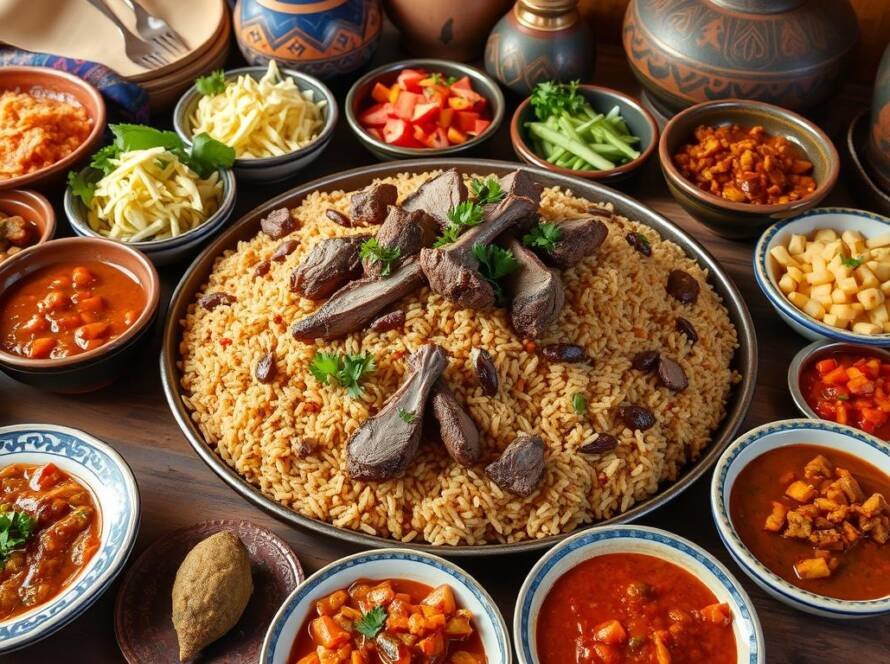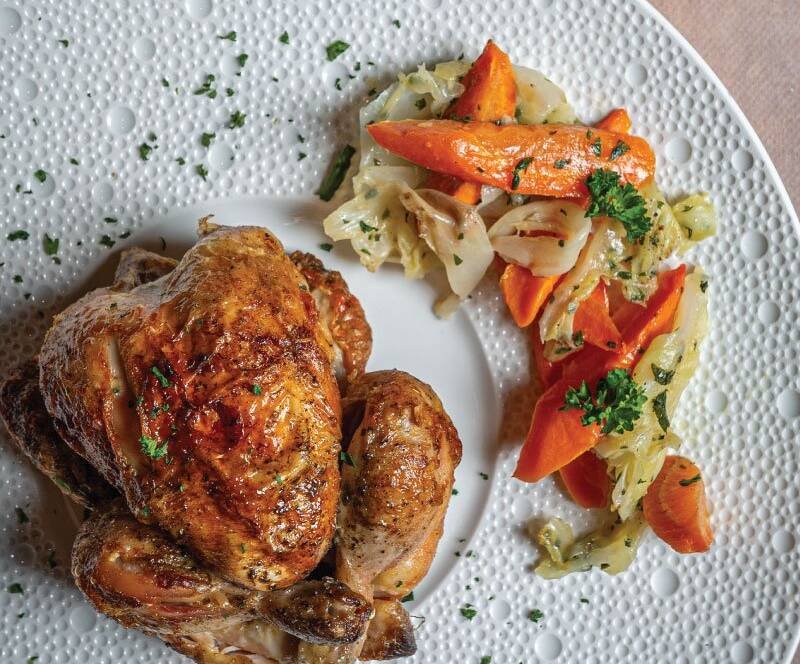

Mandi vs Kabsa What’s the Difference Between These Arabian Rice Dishes? Arabian cuisine is famous for its rich flavors, fragrant spices, and generous hospitality. Among the most beloved dishes across the Middle East are Mandi and Kabsa, two iconic rice dishes that are often compared due to their similar appearance. While both feature aromatic rice and tender meat, they have distinct origins, cooking methods, flavors, and cultural significance.
For food lovers exploring authentic Arabian cuisine in Geneva, understanding the difference between Mandi and Kabsa can help you choose the perfect dish for your next dining experience. At Al Khaima, guests can enjoy traditional Yemeni specialties that showcase the authentic flavors of the Arabian Peninsula.
What Are Mandi and Kabsa?
Mandi and Kabsa are both rice-based dishes traditionally served with lamb, chicken, or other meats. They are considered centerpiece meals for family gatherings, celebrations, and special occasions throughout the Arabian world.
Although they may look similar at first glance, each dish tells a different story about the culture and culinary traditions from which it originates.
The Origins of Mandi
Mandi originated in the Hadhramaut region of Yemen and is one of the country’s most famous culinary exports. For centuries, Yemeni families have prepared Mandi using traditional slow-cooking techniques that emphasize the natural flavor of the meat.
Today, Mandi remains one of the most popular Yemeni dishes worldwide and is often considered the signature dish of Yemeni cuisine.
The Origins of Kabsa
Kabsa is widely regarded as Saudi Arabia’s national dish. It is popular throughout the Gulf region and has become a staple of Arabian cuisine.
Unlike Mandi, which focuses on simplicity and smoky flavors, Kabsa is known for its rich spice combinations and vibrant rice preparation.
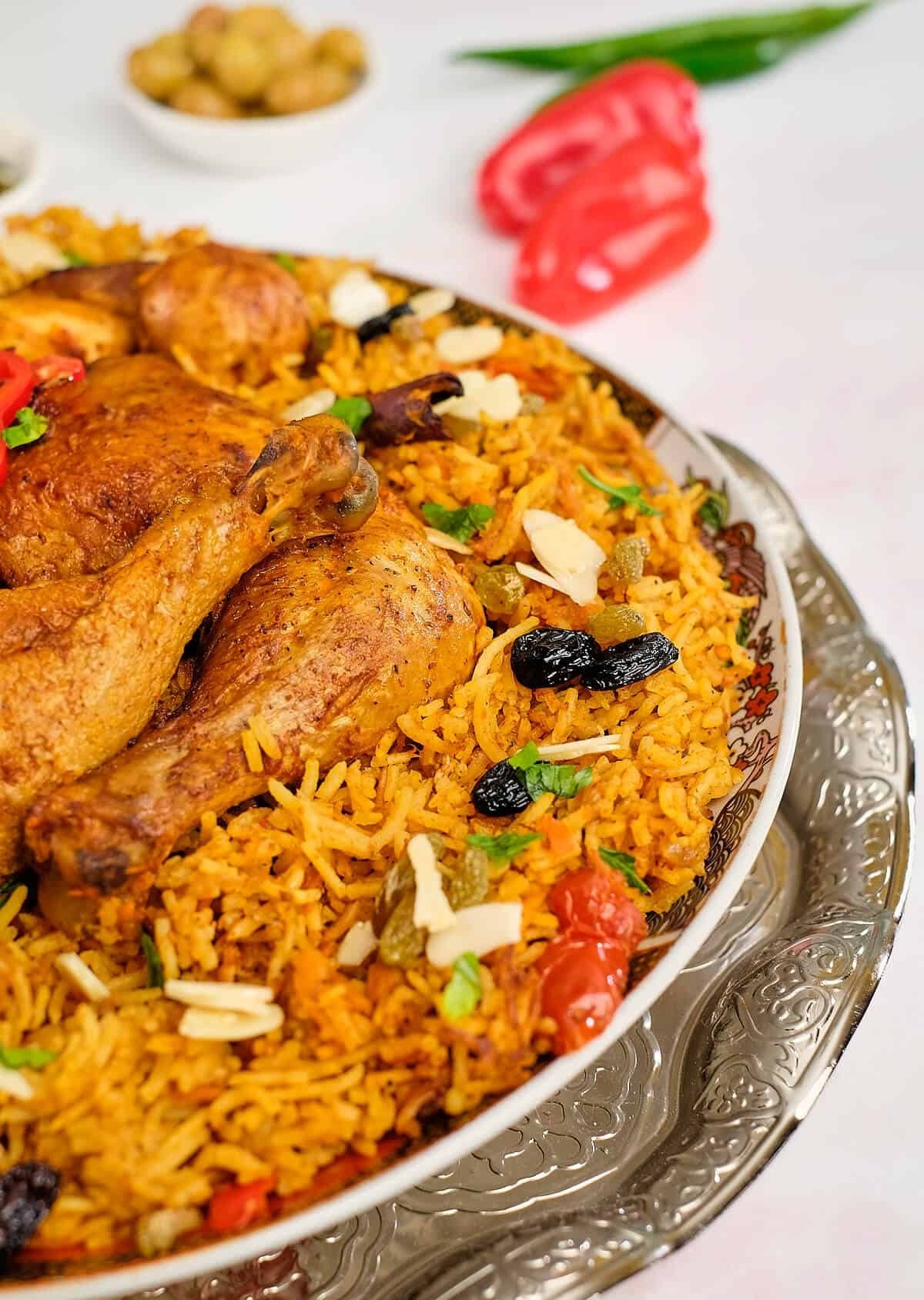
The Main Difference Between Mandi and Kabsa
The biggest difference between Mandi and Kabsa lies in the cooking method and flavor profile.
Mandi Focuses on Slow Cooking
Traditional Mandi is prepared by cooking meat slowly in a specialized underground or enclosed oven. This method allows the meat to become incredibly tender while preserving its natural juices.
The rice is typically cooked separately using the flavorful stock produced during the cooking process.
The result is:
- Tender meat
- Light and fragrant rice
- Subtle spice flavors
- Natural smoky aroma
Kabsa Focuses on Rich Seasoning
Kabsa is typically cooked in a large pot where the meat and rice are prepared together. Tomatoes, onions, and a variety of spices are incorporated directly into the cooking process.
The result is:
- Richer color
- More intense seasoning
- Stronger spice presence
- Slightly tangy flavor profile
Comparing the Ingredients
Mandi Ingredients
Traditional Yemeni Mandi commonly includes:
Rice
Long-grain basmati rice is preferred for its light texture and ability to absorb flavors.
Meat
Mandi is most commonly prepared with:
- Lamb
- Chicken
- Goat
Spices
The spice blend is intentionally balanced and may include:
- Cardamom
- Cloves
- Cinnamon
- Black pepper
- Saffron
Kabsa Ingredients
Kabsa uses many similar ingredients but often includes additional components.
Rice
Like Mandi, Kabsa typically uses basmati rice.
Meat
Popular options include:
- Chicken
- Lamb
- Beef
Additional Ingredients
Kabsa often incorporates:
- Tomatoes
- Tomato paste
- Onions
- Raisins
- Almonds
- Dried fruits
These ingredients contribute to the dish’s deeper color and more complex flavor profile.
How the Cooking Methods Differ
Traditional Mandi Cooking Technique
One reason Mandi is so highly regarded is its unique preparation method.
Slow Roasting
The meat is traditionally suspended inside a special oven where it cooks slowly using indirect heat.
Flavor Development
As the meat cooks, its juices drip down and are collected to flavor the rice.
Natural Smokiness
This technique creates Mandi’s signature smoky aroma without overpowering the natural taste of the meat.
Traditional Kabsa Cooking Technique
Kabsa follows a different approach.
One-Pot Cooking
Many Kabsa recipes cook the meat and rice together, allowing all ingredients to blend during preparation.
Rich Broth
Tomatoes and spices are added to the broth, giving the rice its characteristic reddish-golden color.
Bold Flavor Profile
The longer interaction between spices and rice creates a stronger overall flavor compared to Mandi.
Which Dish Has More Spices?
Many people assume Mandi and Kabsa are equally spiced, but there is a noticeable difference.
Mandi: Balanced and Aromatic
Mandi emphasizes aroma rather than intensity.
The spices enhance:
- Meat flavor
- Rice fragrance
- Overall balance
The dish feels light despite its richness.
Kabsa: Bold and Complex
Kabsa generally contains a wider variety of spices and seasonings.
Its flavor is often:
- Stronger
- Richer
- More layered
- More intensely seasoned
For diners who enjoy bold flavors, Kabsa can be an excellent choice.
Which Dish Is Healthier?
Both dishes can be part of a balanced diet when prepared traditionally.
Why Mandi Is Often Considered Lighter
Mandi typically contains:
- Less oil
- Fewer added ingredients
- Simpler seasoning
The cooking process relies heavily on the natural juices of the meat.
Why Kabsa May Be Richer
Kabsa often includes:
- Additional cooking fats
- Tomato-based ingredients
- Nuts and dried fruits
These additions contribute extra flavor and calories.
Mandi vs Kabsa: Which Tastes Better?
The answer depends entirely on personal preference.
Choose Mandi If You Prefer:
Authentic Yemeni Flavors
Mandi represents the heart of Yemeni culinary tradition.
Tender Meat
The slow-cooking process creates exceptionally soft and juicy meat.
Balanced Spices
Mandi allows the quality of the ingredients to shine without overwhelming seasoning.
Choose Kabsa If You Prefer:
Bold Seasoning
Kabsa offers stronger spice notes and a richer taste.
More Complex Rice
The rice absorbs tomatoes, spices, and broth for a more intense flavor experience.
Variety of Toppings
Many Kabsa variations include nuts, raisins, and garnishes.
Why Mandi Has Become So Popular Worldwide
Although both dishes enjoy widespread popularity, Mandi has experienced tremendous international growth in recent years.
Unique Cooking Method
Food lovers appreciate the traditional preparation techniques that distinguish Mandi from other rice dishes.
Universal Appeal
Its balanced flavors make it accessible to people from many different culinary backgrounds.
Authentic Cultural Experience
Mandi offers a genuine taste of Yemeni hospitality and heritage.
Where Can You Try Authentic Mandi in Geneva?
For those seeking a true Yemeni dining experience, Al Khaima in Geneva offers an authentic introduction to traditional Yemeni cuisine.
Why Food Lovers Choose Al Khaima
Traditional Recipes
Every dish is prepared according to authentic Yemeni culinary traditions.
High-Quality Ingredients
Fresh ingredients and carefully selected spices ensure an authentic dining experience.
Genuine Yemeni Hospitality
Guests enjoy the warmth and generosity that Yemeni culture is famous for.
Signature Mandi Dishes
Whether you choose lamb or chicken, Mandi remains one of the most requested dishes by visitors looking to experience traditional Arabian cuisine.
Final Thoughts
While Mandi and Kabsa share common ingredients and cultural roots, they offer distinctly different dining experiences. Mandi showcases the elegance of slow-cooked meat, aromatic rice, and balanced spices that define Yemeni cuisine. Kabsa delivers a richer and more heavily seasoned flavor profile that reflects Saudi Arabian culinary traditions.
If you’re looking for a lighter, smokier, and more authentic Yemeni experience, Mandi is often the preferred choice. Its tender meat, fragrant rice, and centuries-old preparation methods have made it one of the most celebrated dishes in the Arabian world.
The next time you’re exploring Arabian cuisine in Geneva, visit Al Khaima and discover why Mandi continues to win the hearts of food lovers around the globe.
👉 Book Now: https://al-khaima.ch/reservation/
👉 Message Us: https://wa.me/41783545652