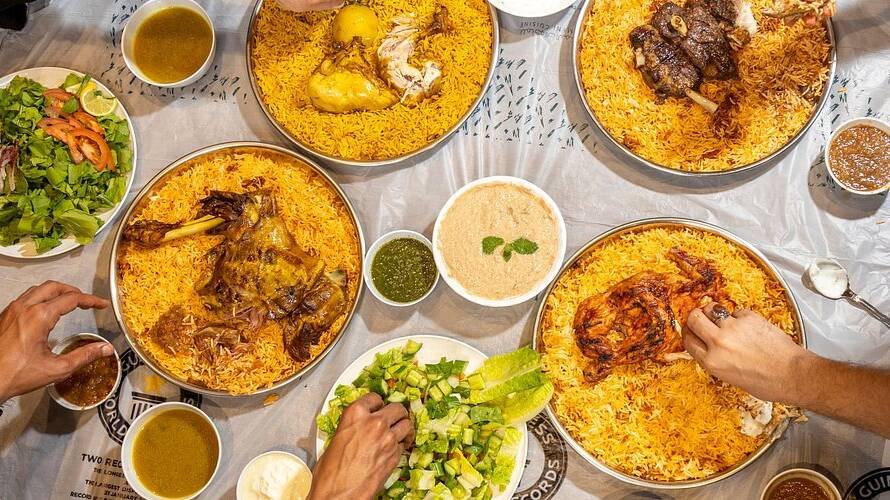

The Story Behind Authentic Gulf-Yemeni Dishes Authentic Gulf-Yemeni cuisine is more than just a collection of flavorful dishes; it is a living reflection of history, culture, and deep-rooted traditions that have evolved over centuries. From the aromatic spices that define each meal to the communal style of dining, every aspect of this cuisine tells a story of heritage and identity. These dishes are shaped by geography, trade routes, and cultural exchange, making them some of the richest and most diverse culinary traditions in the Middle East.
The Gulf and Yemen share a long-standing connection, both geographically and culturally. This connection is clearly visible in their food, where similar ingredients and cooking techniques merge to create a distinctive culinary experience. Whether it is slow-cooked meats, fragrant rice, or traditional breads, Gulf-Yemeni dishes are known for their depth of flavor and their ability to bring people together around the table.
Table of Contents
ToggleHistorical Roots of Gulf-Yemeni Cuisine
Influence of Ancient Trade Routes
One of the most important factors that shaped Gulf-Yemeni cuisine is the region’s position along ancient trade routes. Yemen, in particular, was historically known as a hub for spice trade, connecting the East with the West. Merchants brought with them a wide variety of spices such as cinnamon, cardamom, cloves, and saffron, which became essential components of local cooking.
These spices did not just enhance flavor; they became part of the cultural identity of the cuisine. Over time, Gulf countries adopted and adapted many of these ingredients, resulting in dishes that share common flavor profiles while maintaining their unique characteristics. This blend of influences created a cuisine that is both traditional and globally inspired.
Bedouin Traditions and Simplicity
The Bedouin lifestyle also played a significant role in shaping Gulf-Yemeni dishes. Living in desert environments required resourcefulness and simplicity. Meals were often prepared using readily available ingredients such as rice, meat, and dairy, with cooking methods that maximized flavor while minimizing waste.
This influence is still evident today, as many traditional dishes rely on slow cooking and simple preparation techniques that allow natural flavors to shine. The emphasis on hospitality, a core value in Bedouin culture, is also reflected in the generous portions and communal serving styles that define the cuisine.
Signature Ingredients That Define the Cuisine
Aromatic Spices and Herbs
Spices are the backbone of Gulf-Yemeni cooking. Each dish is carefully seasoned to achieve a balance of warmth, depth, and aroma. Common spice blends often include cumin, coriander, turmeric, and black pepper, combined in ways that vary from one region to another.
Fresh herbs such as cilantro and parsley are also used to enhance flavor and add brightness to dishes. These ingredients work together to create complex flavor profiles that are both comforting and distinctive.
Rice, Meat, and Traditional Staples
Rice is a central component of many Gulf-Yemeni meals, often served as the base for richly spiced meat dishes. Lamb and chicken are the most commonly used proteins, prepared using techniques that ensure tenderness and depth of flavor.
Traditional breads also play an important role, serving as both a side dish and a tool for enjoying meals in a communal setting. These staples form the foundation of the cuisine, providing both nourishment and cultural significance.
Iconic Gulf-Yemeni Dishes and Their Stories
Mandi: A Symbol of Celebration
Mandi is one of the most well-known dishes in Gulf-Yemeni cuisine, often associated with celebrations and gatherings. It consists of rice and meat cooked together with a blend of spices, traditionally prepared in an underground oven.
The cooking method gives Mandi its distinctive smoky flavor and tender texture. This dish represents more than just food; it symbolizes unity and hospitality, as it is typically served in large portions meant to be shared among family and friends.
Saltah: Yemen’s National Dish
Saltah is considered the national dish of Yemen and holds a special place in the country’s culinary heritage. It is a hearty stew made with meat, vegetables, and a unique frothy sauce known as “holba,” which is made from fenugreek.
This dish is traditionally served hot in a clay pot and eaten with fresh bread. Its rich flavors and comforting texture make it a staple in Yemeni households, reflecting the warmth and resilience of the culture.
Kabsa: A Gulf Favorite
Kabsa is another iconic dish that showcases the shared culinary heritage of the Gulf region. It is a flavorful rice dish cooked with meat, vegetables, and a carefully balanced blend of spices.
Each country has its own variation of Kabsa, adding unique touches that reflect local preferences. Despite these differences, the essence of the dish remains the same, highlighting the strong cultural connections across the region.
Cooking Techniques Passed Through Generations
Slow Cooking for Depth of Flavor
Traditional Gulf-Yemeni cooking often involves slow cooking methods that allow flavors to develop fully. Whether it is simmering a stew or roasting meat, patience is a key ingredient in achieving the desired taste and texture.
These techniques have been passed down through generations, preserving the authenticity of the cuisine while ensuring consistency in flavor.
Traditional Tools and Methods
Many dishes are still prepared using traditional tools such as clay pots and stone ovens. These methods contribute to the unique taste and texture of the الطعام, giving it a rustic and authentic feel.
Even in modern kitchens, chefs often try to replicate these traditional techniques to maintain the integrity of the dishes.
Cultural Significance of Gulf-Yemeni Food
Food as a Symbol of Hospitality
In Gulf and Yemeni cultures, food is closely tied to hospitality. Serving guests is considered an honor, and meals are often prepared with great care and generosity. Large platters are shared among diners, emphasizing the importance of community and togetherness.
This tradition continues to play a central role in both everyday life and special occasions, reinforcing social bonds and cultural values.
Celebrations and Gatherings
Gulf-Yemeni dishes are an essential part of celebrations, from weddings to religious holidays. These events often feature elaborate meals that showcase the richness and diversity of the cuisine.
The act of sharing food during these occasions strengthens relationships and creates lasting memories, making it an integral part of cultural identity.
The Modern Evolution of Gulf-Yemeni Cuisine
Preserving Tradition in a Changing World
As the world becomes more interconnected, Gulf-Yemeni cuisine continues to evolve while staying true to its roots. Modern chefs are finding ways to present traditional dishes in innovative ways without compromising authenticity.
This balance between preservation and innovation ensures that the cuisine remains relevant and accessible to new generations.
Bringing Authentic Flavors to a Global Audience
Today, Gulf-Yemeni dishes are gaining popularity beyond their region of origin. Restaurants and culinary experts are introducing these flavors to international audiences, highlighting their uniqueness and cultural significance.
By maintaining authenticity while adapting to modern tastes, the cuisine continues to grow in popularity and appreciation.
A Culinary Legacy That Endures
The story behind authentic Gulf-Yemeni dishes is one of resilience, creativity, and cultural pride. It is a cuisine shaped by history, enriched by diversity, and sustained by tradition. Each dish carries with it a legacy that connects the past with the present, offering a taste of something truly timeless.
As more people discover the richness of Gulf-Yemeni cuisine, its legacy continues to expand, bringing its unique flavors and stories to tables around the world.